Character and Animal Shapes in Silicone and PVC Goods: IP Clearance Before You Cut a Tool
Read:4
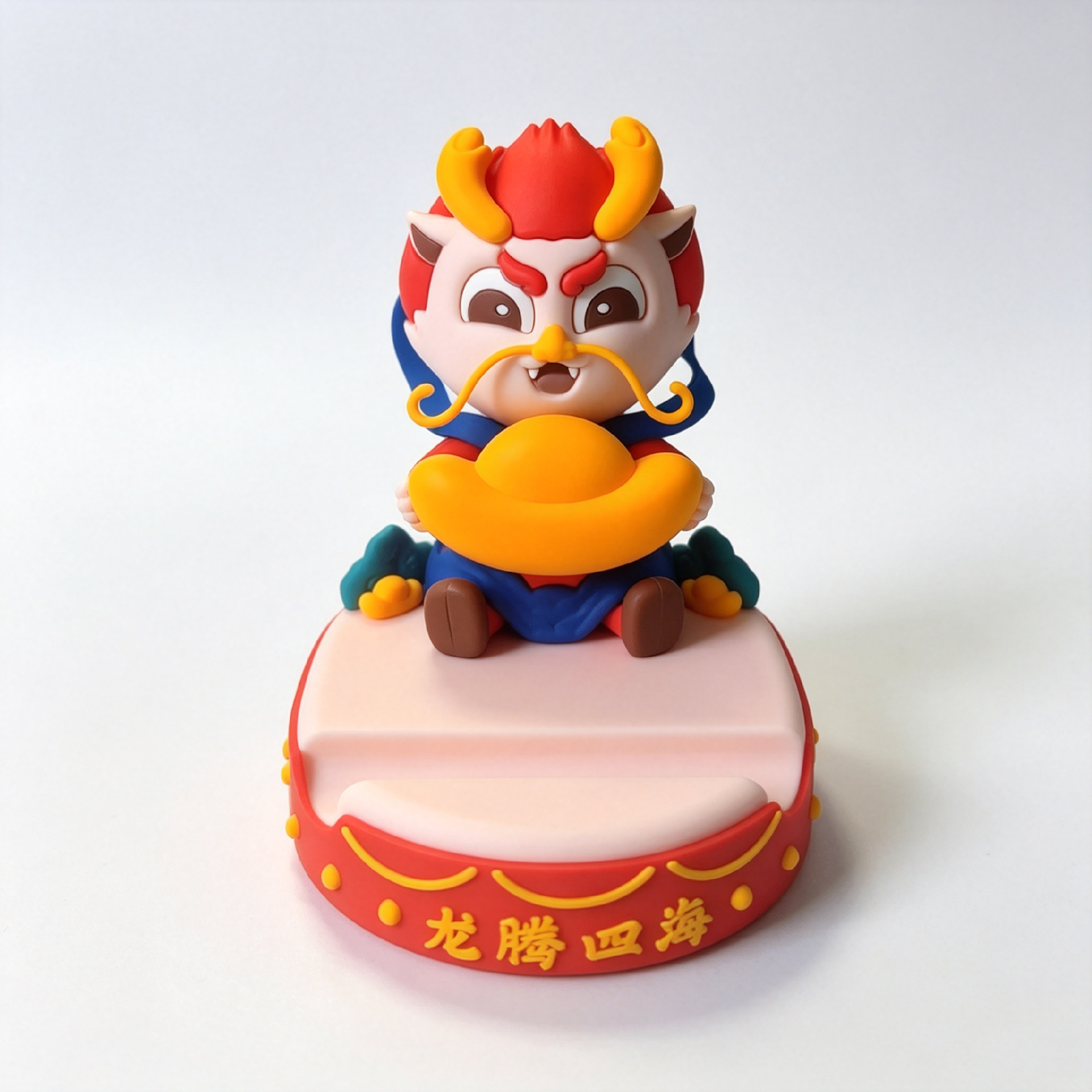
Character-shaped silicone and PVC products are approved from a photograph and paid for through a tool, and that order of events is where programmes fail. Once a mould is cut, the silhouette has become an industrial commitment: it cannot be reworked cheaply, and it is the first exhibit in any dispute. The buying conclusion is that intellectual property clearance belongs in the quotation stage, before tooling release, and that the clearance record — not visual similarity — is what protects the listing.
Why shape carries more risk than surface artwork
Printed artwork can be stripped and reprinted in days. A moulded silhouette cannot. Where a shape reads as a recognisable character — the ear set, the tail, the signature accessory, the facial proportions — rights holders do not need an identical copy to act. Customs authorities in the EU and the United States can detain consignments that appear to infringe, and marketplaces will delist a listing on a single complaint without waiting for a court. The practical consequence is uncomfortable for buyers: a shape that "looks a bit like" a well-known character is a larger exposure than a printed motif, because the tool is both the evidence and the cost of the remedy.
The four rights that actually bite
Clearance conversations drift towards copyright alone, which is why they miss cases. In this category four separate rights matter, and each is triggered differently:
| Right | What it protects | Typical trigger in this category | Practical defence |
|---|---|---|---|
| Copyright in artistic works | Character artwork and its three-dimensional expression | Copying proportions, costume details or accessories | Your own design files, dated sketches, written designer assignment |
| Registered design / design patent | Ornamental shape of an article | Near-identical silhouette of a protected design | Design search in each target market before tooling |
| Trademark | Names, logos and distinctive marks | Character names on packaging or product | Neutral naming, copy review, no lookalike wordmarks |
| Trade dress / unfair competition | Overall look of a product line | Cloning a competitor's complete range appearance | Differentiated silhouette, colour story and packaging system |
A single SKU can implicate all four. A keychain with a recognisable shape, the character's name on the backing card, and a colour scheme lifted from a licensed range is exposed on every count simultaneously.
A clearance workflow that fits a production calendar
Clearance does not need to be slow if it is sequenced properly. The workable order is:
- Describe the motif as a species or an object in the brief ("red panda", "vintage camera"), never as a character name.
- Run a design and trademark search in the markets you will actually sell in — not only the country of manufacture.
- Record authorship: who drew the file, on what date, under which assignment of rights.
- Obtain written warranties and an indemnity from whoever supplies the design, whether that is an in-house studio or an external illustrator.
- Freeze the approved drawing with a revision number and date, and reference that revision in the purchase order.
- Retain the record for the commercial life of the product plus the statutory limitation period in your market.
Steps two and four are the ones buyers skip under schedule pressure, and they are precisely the ones that determine who pays if a complaint arrives.
Designing generic animal motifs safely
Species-level features belong to nobody: round ears, whiskers, a striped tail, a beak. Signature combinations do belong to somebody. In practice, four rules keep an animal range on the safe side of the line. Avoid copying the exact accessory set that identifies a character — the bow, the cape, the specific prop. Avoid the identical colour blocking, because colour plus silhouette is what most complainants point to. Avoid names that echo a character's name, even obliquely. And vary the proportions deliberately: a squatter body, a different head-to-body ratio and a different eye treatment produce a product that reads as its own design rather than a derivative.
The same logic applies to licensed-look programmes sold as "inspired by" ranges. That framing has no legal effect in most jurisdictions, and it is the phrase most frequently quoted back at buyers in takedown correspondence.
What the factory can and cannot verify
Clarity here prevents disappointment later. A contract manufacturer produces to your drawing and does not adjudicate rights; asking a factory whether a shape is "safe" transfers no liability and produces no evidence. What a factory can reasonably do is narrower and more useful: keep dated tooling files tied to an approved revision, produce strictly to that revision, sign an intellectual property warranty in the supply agreement, and decline to copy a physical sample whose provenance is unclear. What it cannot do is search registries on your behalf or indemnify you for a shape you supplied. Buyers who understand that division of responsibility tend to arrive with documentation rather than with a photograph of a competitor's product.
The real cost of getting it wrong
Programmes usually budget for the tool and forget everything downstream. A mid-size multi-cavity mould is rarely the largest line in a failed launch; the larger losses are the destroyed tooling and any detained consignment, the cost of redesign and re-sampling, the retail slot lost for a season, and the marketing spend written off with the listing. Because seasonal ranges are planned nine to twelve months ahead, a clearance failure discovered at pre-shipment inspection usually means missing the season entirely rather than delaying it by a few weeks.
FAQ
Is a generic animal shape always safe to mould?
Not automatically. A generic species is generally low risk, but the combination of silhouette, colour blocking and accessory can still read as a specific protected character. Document your design intent and keep the reference material that proves independent creation.
Can I copy a competitor's shape if I change the colour and material?
Changing colour or moving from PVC to silicone does not remove shape rights. Registered designs and copyright in three-dimensional expression are concerned with form, and a colour change is usually treated as a minor variation rather than a new design.
Does a supplier's IP warranty protect me?
It shifts some contractual risk, but it does not stop a customs detention or a marketplace delisting, and enforcing it across borders is slow. Treat the warranty as a second line of defence behind your own clearance file, not a substitute for it.
How long should clearance take?
For a straightforward generic motif with an in-house design file, one to two weeks of search and documentation is realistic. Where a licensed look is intended, the licensing negotiation itself typically dominates the timeline and should start well before tooling is discussed.
Next step
Send your motif brief and target markets for a manufacturability review, and we will confirm which shapes can be produced cleanly in soft PVC and epoxy versus compression-moulded silicone. Reference items are grouped in the product catalogue, and our custom OEM and ODM service covers tooling, sampling and packaging under one roof.