Colour Matching for Silicone and Soft PVC: Pantone, Delta E and Batch Consistency
Read:8
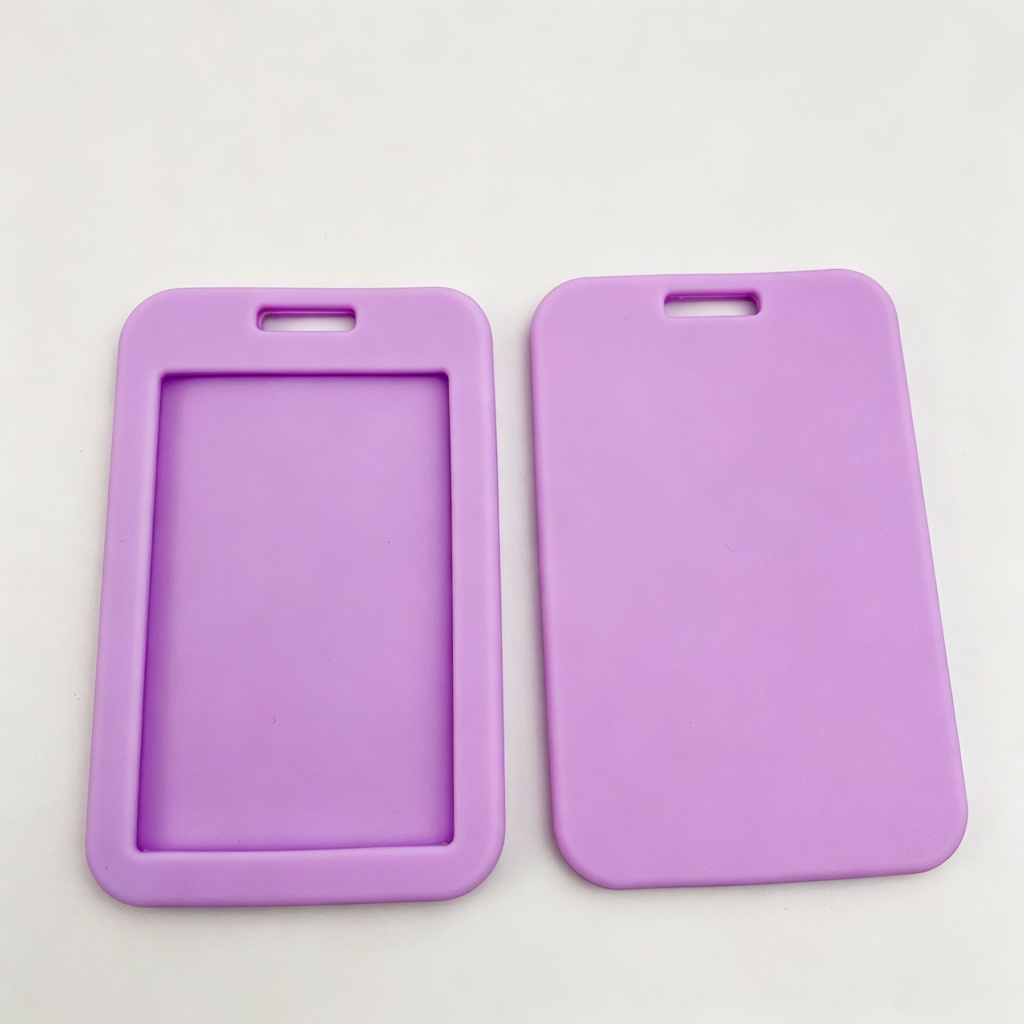
Colour is the most frequent cause of rejected first articles on custom silicone and soft PVC goods — not because factories cannot match colour, but because buyers ask for a Pantone number and nothing else. The practical conclusion: a Pantone chip alone is not a colour specification. Rubber and PVC shift colour with cure temperature, thickness and gloss, so the working standard is a physical master sample plus a measured Delta E limit, agreed before tooling is cut.
Why rubber colour is harder than print colour
Pantone references are defined on coated paper under standard lighting; silicone and PVC are translucent, textured three-dimensional materials cured at 150–200 °C. Pigments disperse differently in rubber paste than in ink, thick sections look deeper in tone than thin flanges of the same part, and matte coatings change perceived colour again. A perfect match to a paper chip can therefore look "wrong" on the finished product — or right under the store light and wrong under daylight. These effects are physics, not carelessness, and the specification has to work with them.
The reference chain: three options with different strength
| Reference type | What it fixes | What it leaves open | Use for |
|---|---|---|---|
| Pantone number only | Target hue on paper | Thickness effect, gloss, translucency, lighting agreement | Initial discussion, ballpark colour |
| Physical master sample | Actual material, thickness and finish, agreed by both sides | Nothing, once signed — it is the contract | Production approval, batch comparison |
| Master + Delta E limit | Objective numeric tolerance around the master | Disputes become measurements, not opinions | Multi-batch programs, multi-factory sourcing |
Delta E: what limit to accept
Delta E (dE) quantifies the distance between two colours as measured by a spectrophotometer. For consumer rubber goods, industry practice runs roughly as follows:
| Delta E vs master | Visual meaning | Acceptable for |
|---|---|---|
| ≤ 1.0 | Indistinguishable side by side | Premium brand programs; cosmetic packaging |
| 1.0–2.0 | Perceptible only in direct comparison | Most retail consumer goods; a reasonable default limit |
| 2.0–3.5 | Visible if you look for it | Value lines, multi-colour items where parts never sit adjacent |
| > 3.5 | Clearly different | Reject — indicates compound or pigment change |
Specify the measurement conditions too: instrument model class, measuring geometry, and whether comparison is against the master sample or against the first production batch ("golden batch"). Without fixed conditions, two laboratories can disagree by a full Delta E unit on the same part.
Keeping batch-to-batch consistency
- Pigment dosing discipline. Colourants should be pre-weighed per batch, not scooped. Ask whether the colour kitchen uses gravimetric dosing.
- Compound record keeping. The pigment ratio, mixing time and cure cycle of the approved batch must be documented so batch two reproduces batch one.
- Golden-batch retention. Keep signed master parts at both buyer and factory; every shipment is judged against them.
- Spectrophotometer checks, not just eyes. Visual approval under a D65 light box catches gross errors; a spectrophotometer catches drift that eyes forgive.
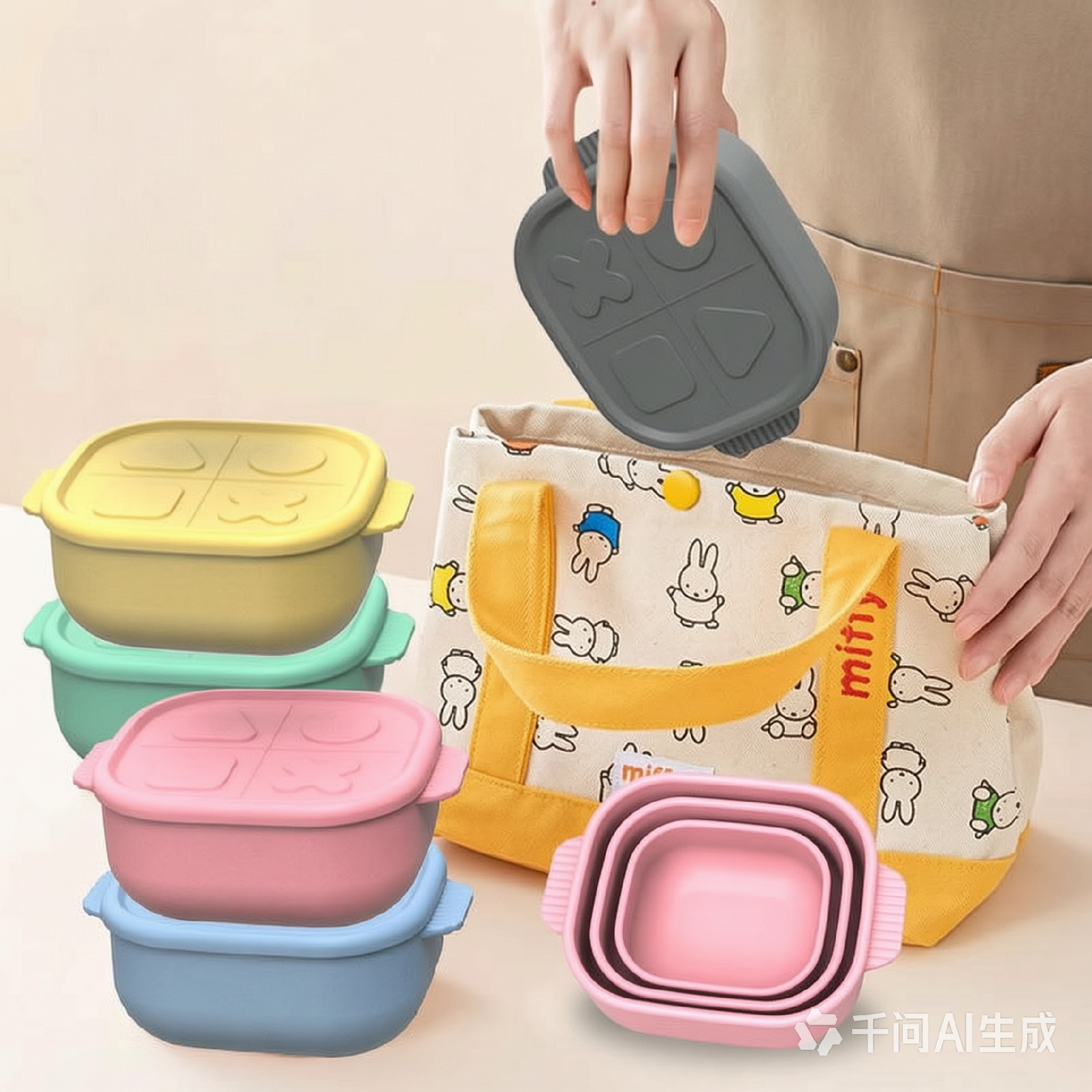
- Multi-part colour harmony. If a set contains several differently moulded parts, measure them against each other as well as against the master — set harmony is what customers actually see.
Common colour defects and their causes
| Defect | Typical cause | Fix |
|---|---|---|
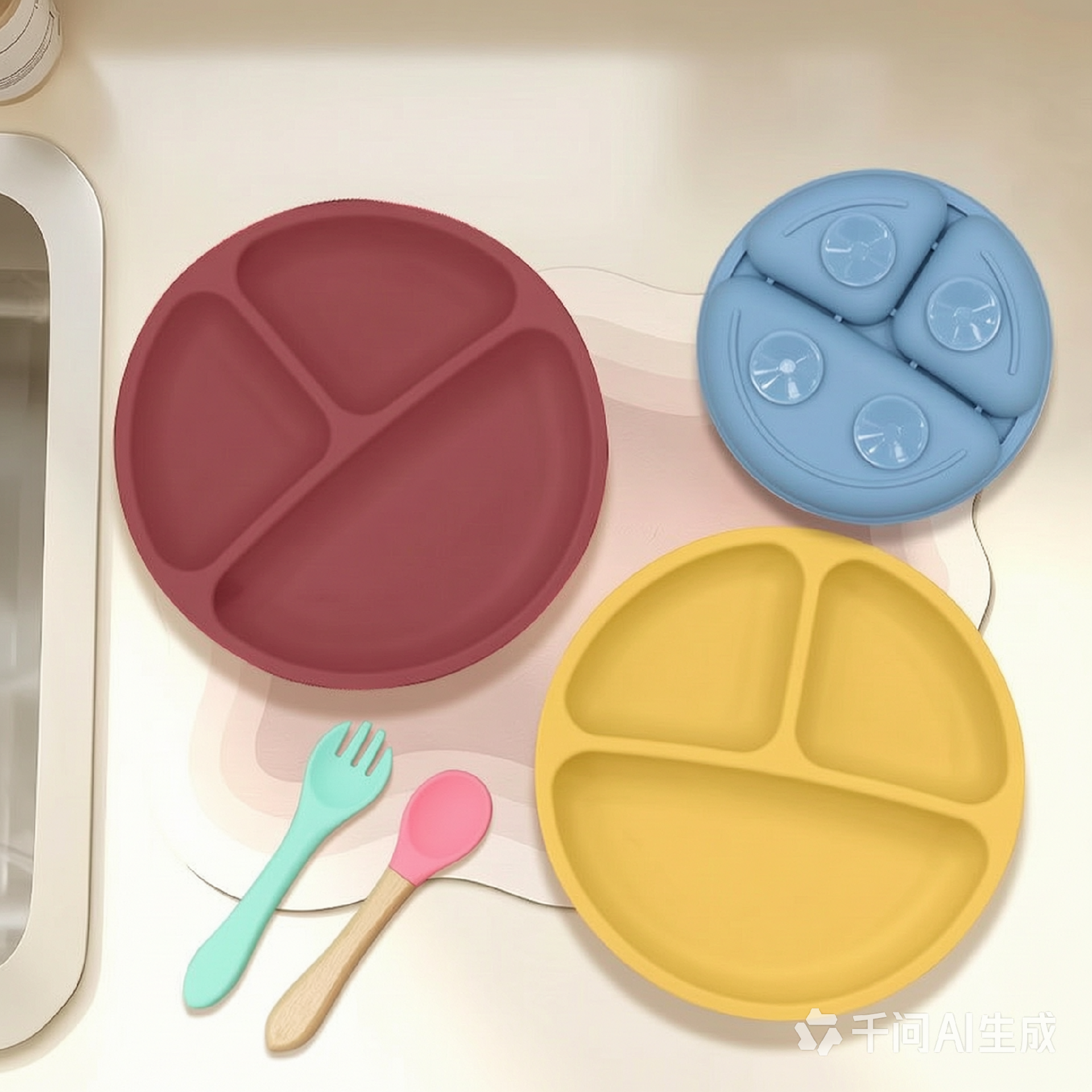
| Colour shifts between thick and thin sections | Cure temperature penetrating differently | Approve colour on final geometry, not plaques |
| Yellowish cast after ageing | Low-grade polymer or unsuitable pigment | Specify lightfastness class for outdoor items |
| Colour differences between production runs | Pigment dose by feel, undocumented recipe | Dosing records + Delta E limit at goods-in |
| Specks or streaks in the part | Poor pigment dispersion, dirty mill | Dispersion check on first article; mill hygiene |
| Colour looks different after coating | Coating applied over unapproved base | Approve colour only after full finishing |
What to put in the RFQ
- Reference: Pantone number for orientation plus a physical master sample to be produced and signed before mass tooling.
- Tolerance: a Delta E limit (for example dE ≤ 2.0 against master) with stated instrument and light source.
- Lighting: colours approved under D65 and, where relevant, checked under store-type lighting to avoid metamerism surprises.
- Geometry: colour approved on the finished part at final thickness, including coating.
- Records: pigment recipe and cure parameters of the approved batch kept on file for every repeat order.
FAQ
Can a factory match any Pantone colour in silicone?
Nearly any hue, yes — but the match is to the master sample made in that material, not to the paper chip itself. Very light pastels and fluorescent shades are the least stable in rubber and deserve the tightest controls.
Why does one part of the same product look lighter?
Thick-section colour variation comes from thickness and cure differences. Approve colour on the finished geometry, and where necessary adjust pigment per mould rather than per compound.
How many colour samples should we approve?
One signed master per colour per part, plus a sealed retention batch of at least 20 pieces. For sets and multi-component products, also approve an assembled photo record.
Does colour matching cost extra?
Custom pigment blending carries a modest batch charge, usually negligible at production volumes. The real cost of weak colour control is rejected shipments, which dwarfs the pigment cost every time.
Next step
Send your Pantone references and the product drawings, and we will produce colour master samples in the actual material and thickness for signing before tooling. Colour management is built into our custom silicone OEM and ODM service; for soft PVC colour programs see PVC drip-moulded products, and for colour-critical kitchen lines see silicone kitchen products.