Injection Moulding vs Compression Moulding for Silicone Parts: Which Process Fits Your Project?
Read:8
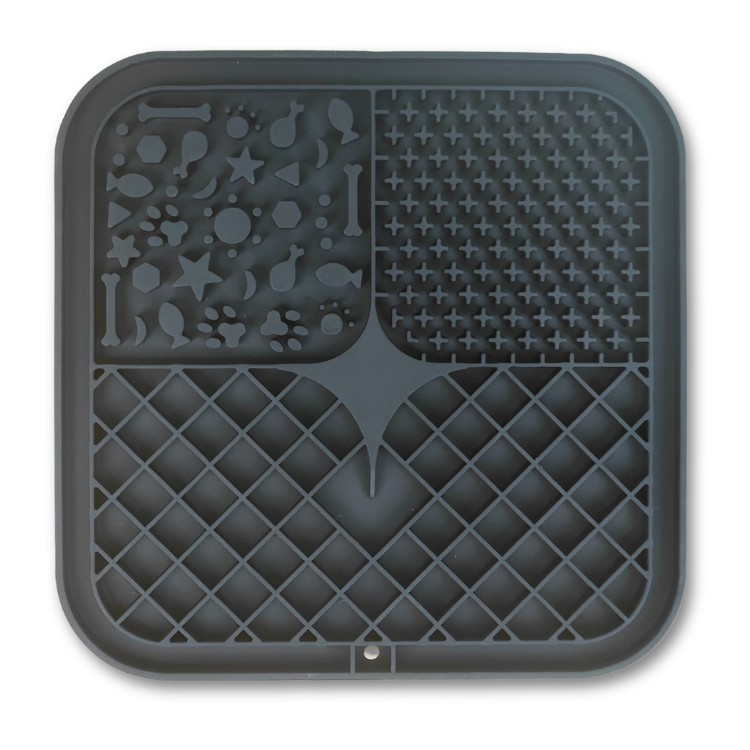
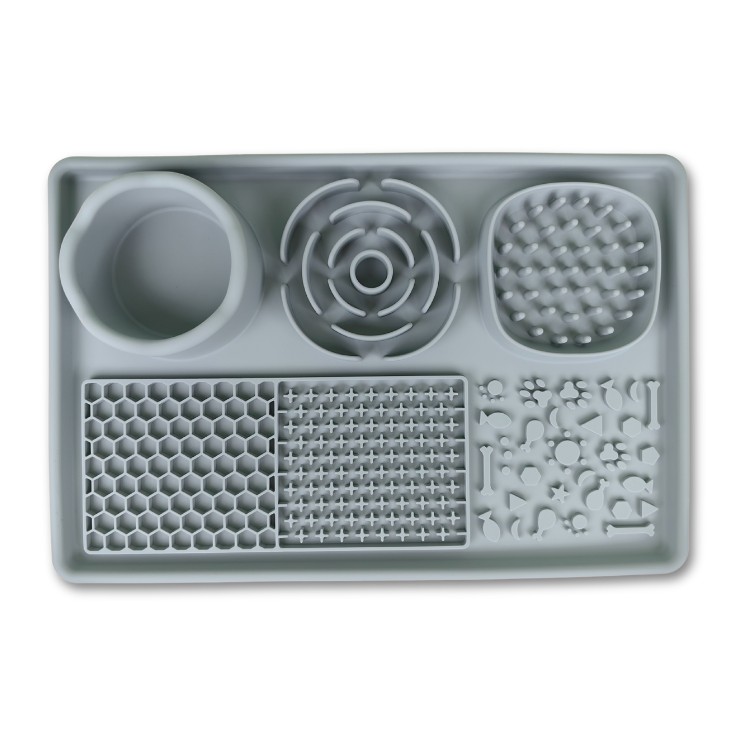
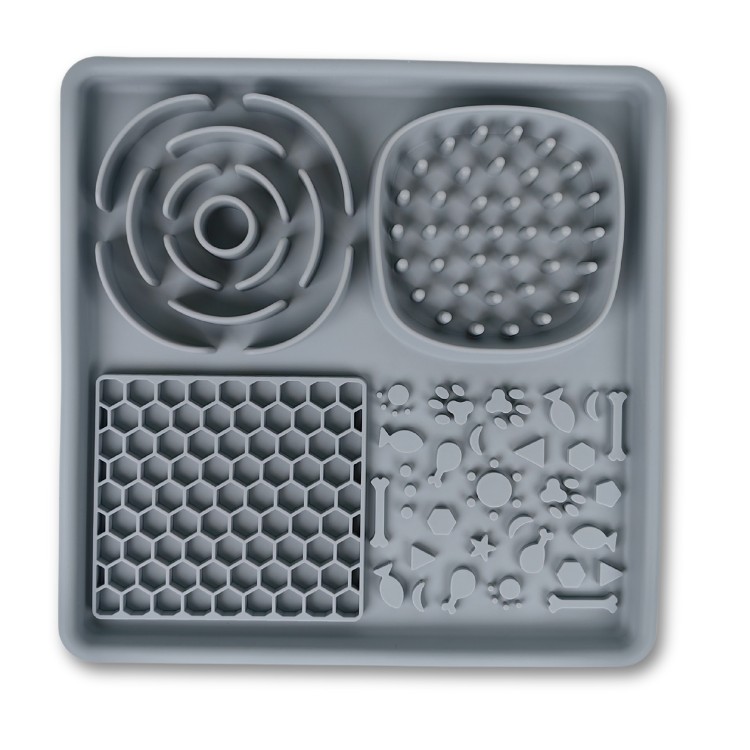
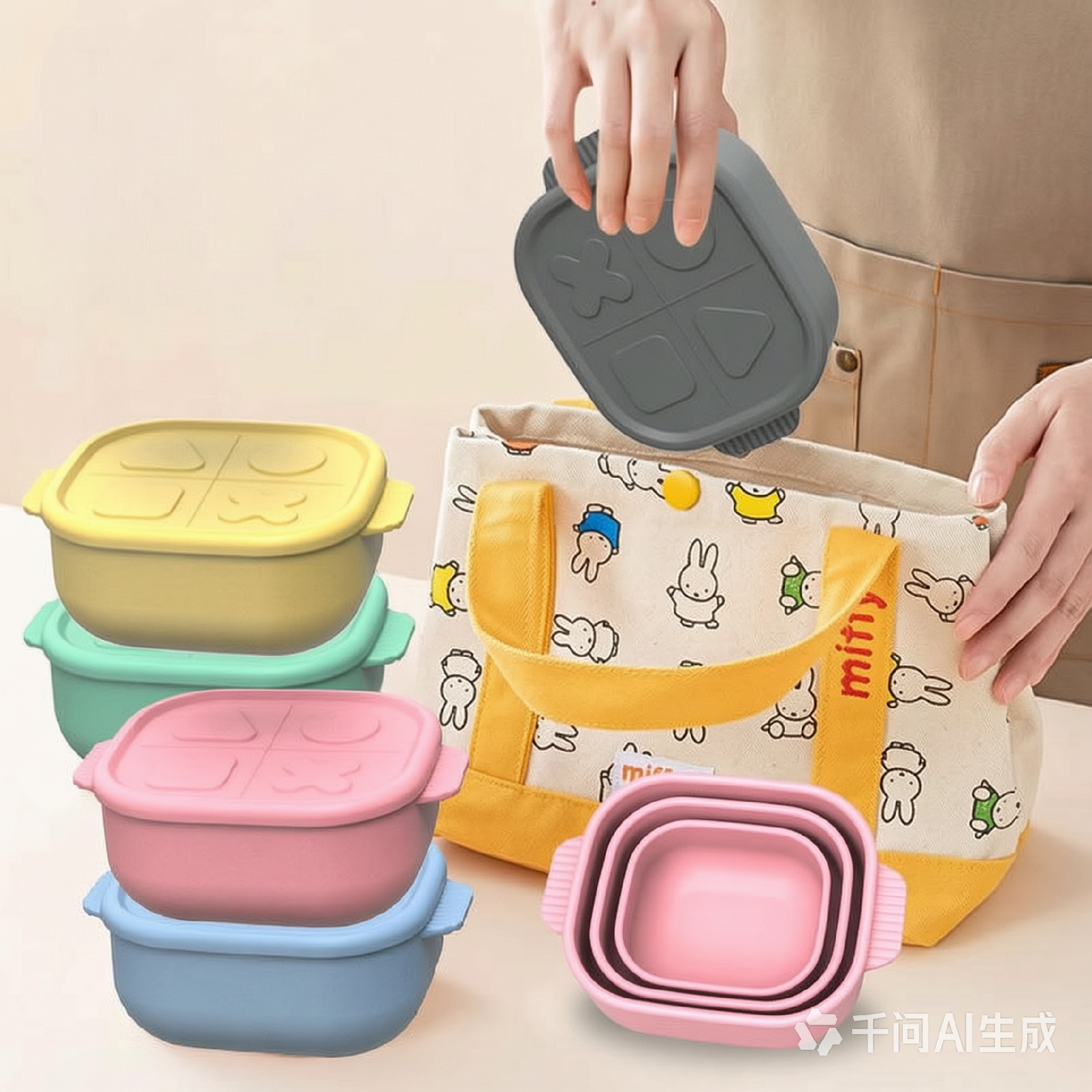
For most custom silicone consumer parts the decision is simpler than suppliers make it sound: compression moulding wins on tooling cost, material flexibility and small-to-medium volumes, while injection (LSR) moulding wins on cycle time, consistency and high-volume thin-wall precision. A household item like the moulded silicone bathroom organiser shown above — thick sections, a simple parting line, moderate volumes — is a textbook compression part. This article sets out where each process wins and how to decide before you request quotations.
The two processes in brief
Compression moulding places a pre-formed piece of HTV silicone rubber into an open heated cavity, then closes the press and squeezes it into shape. Injection moulding pumps liquid silicone rubber (LSR) under pressure into a closed, temperature-controlled mould, filling complex cavities in seconds. The difference in how material enters the mould cascades into tooling design, cycle time, flash and ultimately which parts are economical.
Where compression moulding wins
| Factor | Why compression wins |
|---|---|
| Tooling cost | Simpler moulds, no cold-runner system; typically 30–60% cheaper than an equivalent LSR injection tool |
| Tooling lead time | Shorter to manufacture and modify; design changes cost less |
| Part size | Large, thick parts are easy — the press supplies force, not a pump |
| Material range | Any HTV hardness, filled or specialty compounds, colour changes between batches are cheap |
| Low volumes | No minimum shot size; short runs stay economical |
Where injection moulding wins
| Factor | Why injection wins |
|---|---|
| Cycle time | 30–90 seconds per shot versus 2–5 minutes for thick compression parts |
| Flash and trimming | Closed-mould filling yields minimal flash; compression parts need manual or die-cut trimming |
| Thin-wall and detail | LSR fills 0.5 mm walls and fine texture that compression paste cannot reach |
| Consistency | Dosing and temperature are machine-controlled; dimensional spread between parts is smaller |
| Automation | Multi-cavity tools with degating support lights-out production at volume |
| Medical and baby grades | LSR compounds dominate ultra-clean, high-purity applications |
Tooling cost and lead time compared
For a representative mid-size consumer part, expect compression tooling in the low thousands of US dollars per cavity with 2–3 week tool build times, versus a substantially higher investment for an LSR injection tool with its cold-runner and temperature-control systems, and correspondingly longer build and sampling cycles. Exact numbers vary with part size and cavity count, so treat these as planning ratios rather than quotations — but the ratio is stable across the industry: injection tools cost more, take longer, and pay that back only through volume.
Unit cost drivers
Compression part cost is dominated by press time and manual labour — placing the preform and trimming flash. Injection part cost is dominated by machine depreciation and material price, since LSR compounds cost more per kilogram than HTV. The crossover usually sits where volumes justify automation: below roughly 50,000–100,000 pieces per year, compression's cheaper tooling and lower overhead usually win; above it, injection's shorter cycles and lower labour content take over. Parts with heavy manual trimming requirements shift the crossover lower; parts needing sub-minute cycles shift it higher.
How to choose for your part
- Count the annual volume. Under ~50k pieces, start with compression; above ~100k, price both.
- Check wall thickness. Thick sections (> 5 mm) favour compression; walls under 1 mm are an injection territory.
- Inspect the parting line. Complex shut-offs, side cores and undercuts are easier to engineer into an injection tool.
- Count the trimming labour. If compression flash trimming would need a dedicated station per line, injection's flash-free edges may repay the tool premium.
- Consider colour strategy. Many SKUs in small quantities favour compression, where colour changes cost minutes rather than purging a runner.
- Match compliance needs. Ultra-clean food and baby applications are satisfied by both HTV and LSR, but LSR's process control narrows batch variation.
A practical middle path
Many product lines sensibly mix both: compression for bulky household and outdoor items, injection for high-volume accessories and components with fine detail. Keeping both processes under one roof also means a design can migrate between them as volumes grow — the drawing rarely changes, only the tool. When requesting quotations, ask suppliers to price the part both ways if your volume is ambiguous; the quotes will tell you where their strengths lie.
FAQ
Can the same part be made by both processes?
Usually yes, with minor design adjustments for the parting line and gate position. The drawing stays, the tool differs. This is why it is worth keeping tool designs documented in a transferable format, even if you start with compression.
Is injection-moulded silicone always better quality?
No. Injection offers tighter process control, but a well-run compression line produces excellent parts — most kitchenware, baby feeding and household items are compression moulded. Quality depends on compound, cure and inspection discipline more than on the press type.
Why is LSR material more expensive than HTV?
LSR is a two-component liquid system requiring special handling, metering and packaging, and typically uses premium base polymers. The material premium is offset at volume by faster cycles and less labour.
Which process gives shorter total lead time?
Compression, almost always: simpler tooling builds faster, and colour or design changes between production runs are quicker. Injection wins on per-unit speed, not on project calendar.
Next step
Send us the drawing, the annual volume and the compliance requirements, and we will recommend the process that minimises total landed cost rather than the one that maximises tool price. The evaluation framework is part of our custom silicone OEM and ODM service, and examples of compression-moulded household and kitchen items can be found under silicone kitchen products and silicone outdoor products.