Platinum-Cured vs Peroxide-Cured Silicone: What to Specify and What It Costs
Read:10
The curing system is the single most consequential line in a silicone specification, and it is the line most often left blank. As a rule: platinum-cured material is the right choice for anything that touches food, mouths or skin for extended periods, while peroxide-cured material with a proper post-cure is fully adequate for most protective and utility parts — at a meaningfully lower price. This article explains the practical difference and how to specify it so two factories quote the same thing.
Why the curing system matters
Silicone rubber is crosslinked either by a platinum addition reaction or by peroxide free-radical curing. The chemistry determines what remains in the part after moulding. Peroxide systems leave curing by-products inside the rubber; these migrate out slowly as volatile siloxanes, which is why poorly post-cured peroxide parts smell and can cloud a surface they rest against. Platinum systems produce almost no by-products, which is why they dominate food-contact, medical and baby applications.
Neither system is "food grade" by itself. Food-contact performance depends on the base polymer formulation and on how completely the part is cured. A peroxide compound can pass FDA 21 CFR 177.2600 after a correct post-cure; a poorly cured platinum part can fail an odour or volatile test.
How the two systems compare
| Property | Platinum-cured | Peroxide-cured |
|---|---|---|
| Cure by-products | Negligible; no volatiles beyond traces | Presents; requires post-cure to remove |
| Odour after moulding | Very low, even without post-cure | Noticeable until post-cured |
| Transparency | Excellent, stable colour over time | Can yellow slightly with age or heat |
| Shrinkage control | Lower and more consistent | Higher, more batch variation |
| Process sensitivity | Poisoning risk from sulphur, tin, some pigments | Tolerant of contamination |
| Typical material cost | Higher | Lower |
| Typical uses | Baby feeding, kitchenware, wearables, medical | Phone cases, seals, general covers, keypads |
The cost and lead-time implications
Three cost drivers are worth understanding before you default to the premium option:
- Material price. Platinum compounds typically cost more per kilogram than equivalent peroxide grades. On a 40 g phone case the difference is cents; on a heavy bowl it becomes visible in the unit price.
- Post-cure oven time. Peroxide parts usually need a 4-hour, 200 °C post-cure. That is oven capacity, energy and scheduling, and during peak season it is the hidden bottleneck — ask how many oven hours a day the factory has, not just how many presses.
- Scrap rate. Platinum material is sensitive to contamination: tools previously used with peroxide material, sulphur-containing release agents and some pigments can inhibit the cure, producing tacky uncured areas. A factory switching a tool to platinum needs a cleaning protocol; budget the first trial article accordingly.
Which products genuinely need platinum
| Product | Recommendation | Reason |
|---|---|---|
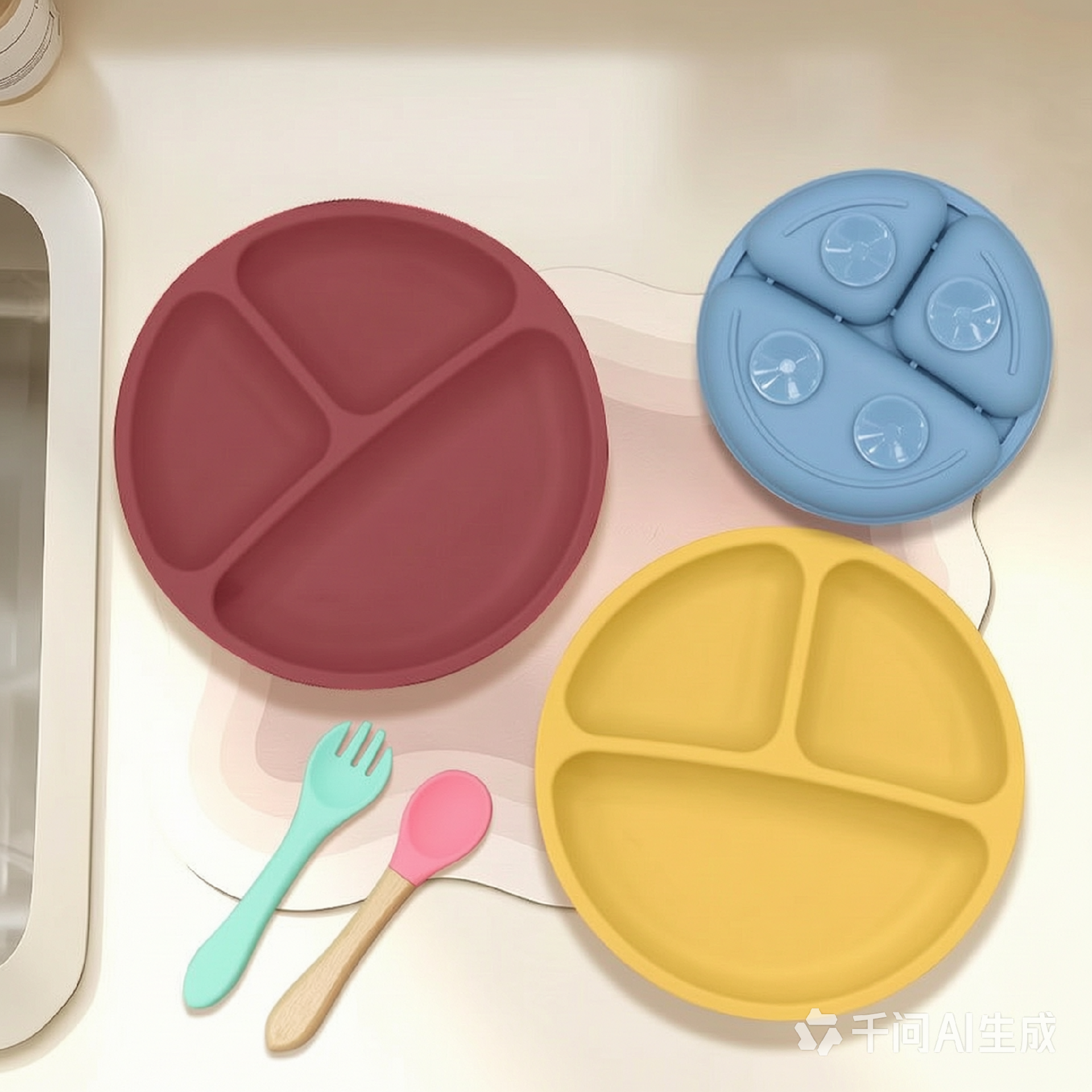
| Baby teethers and feeding sets | Platinum | Long mouth contact; strictest volatile and odour expectations |
| Cookware and bakeware | Platinum | Sustained 200 °C+ exposure amplifies volatile migration |
| Travel bottles | Platinum or well post-cured peroxide | Contents contact the walls for weeks |
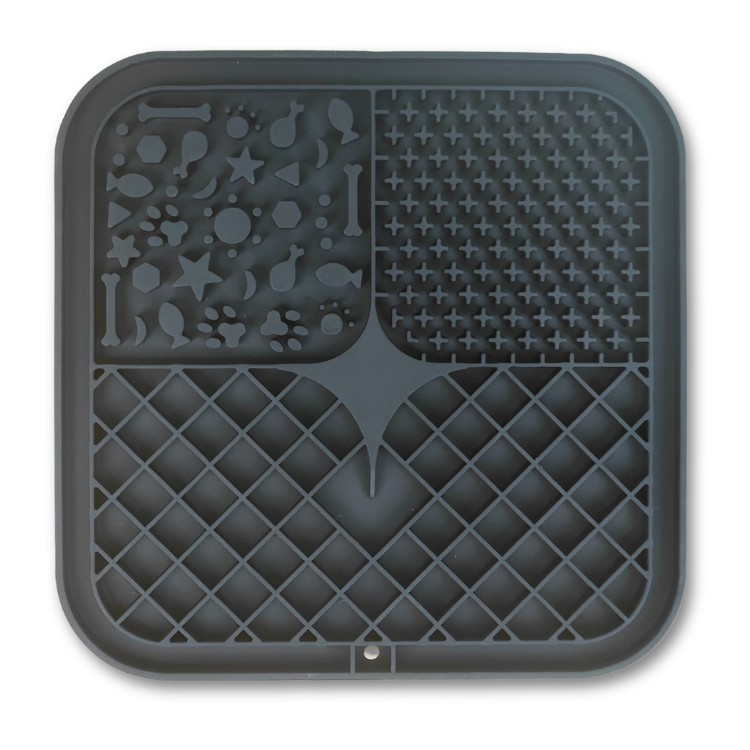
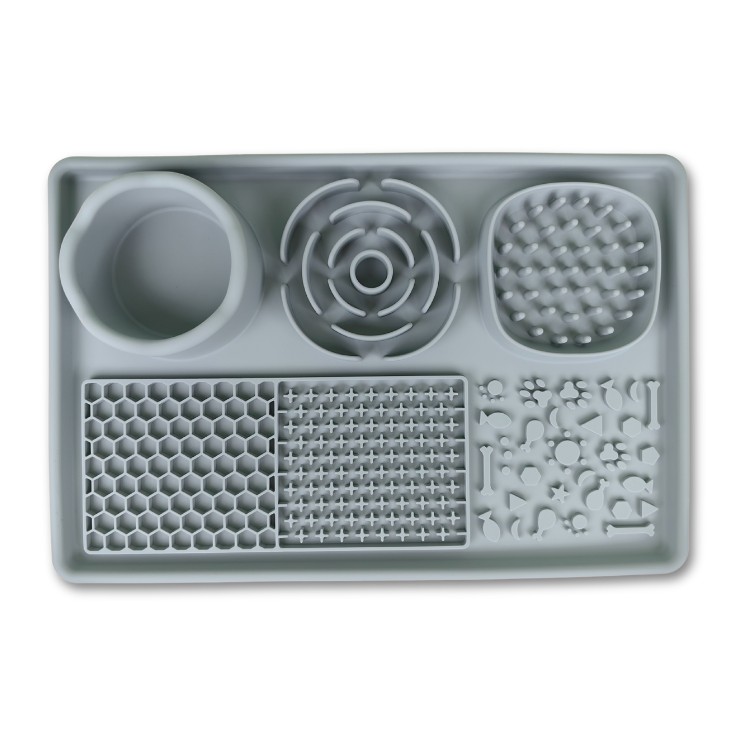
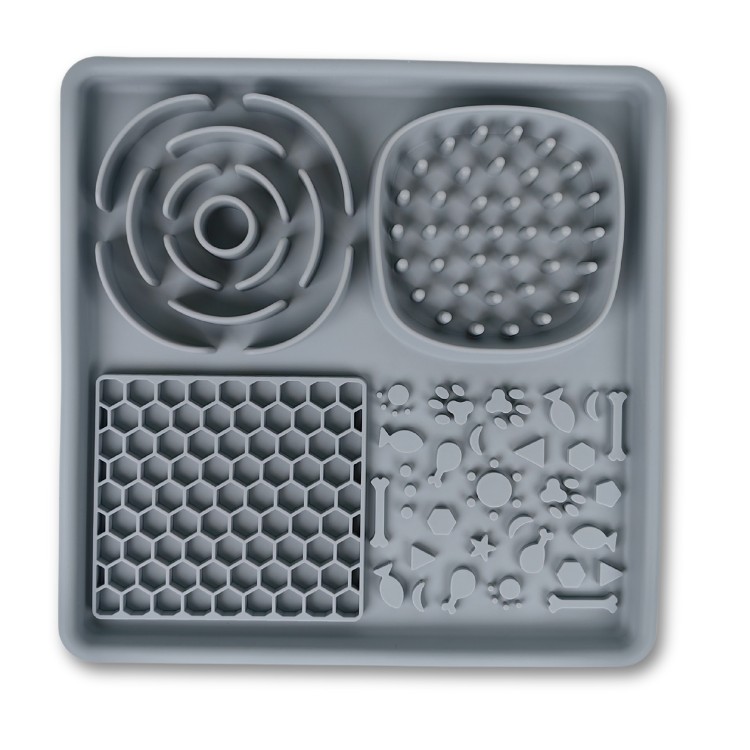
| Pet bowls and lick mats | Platinum or well post-cured peroxide | Food contact, dishwasher cycles |
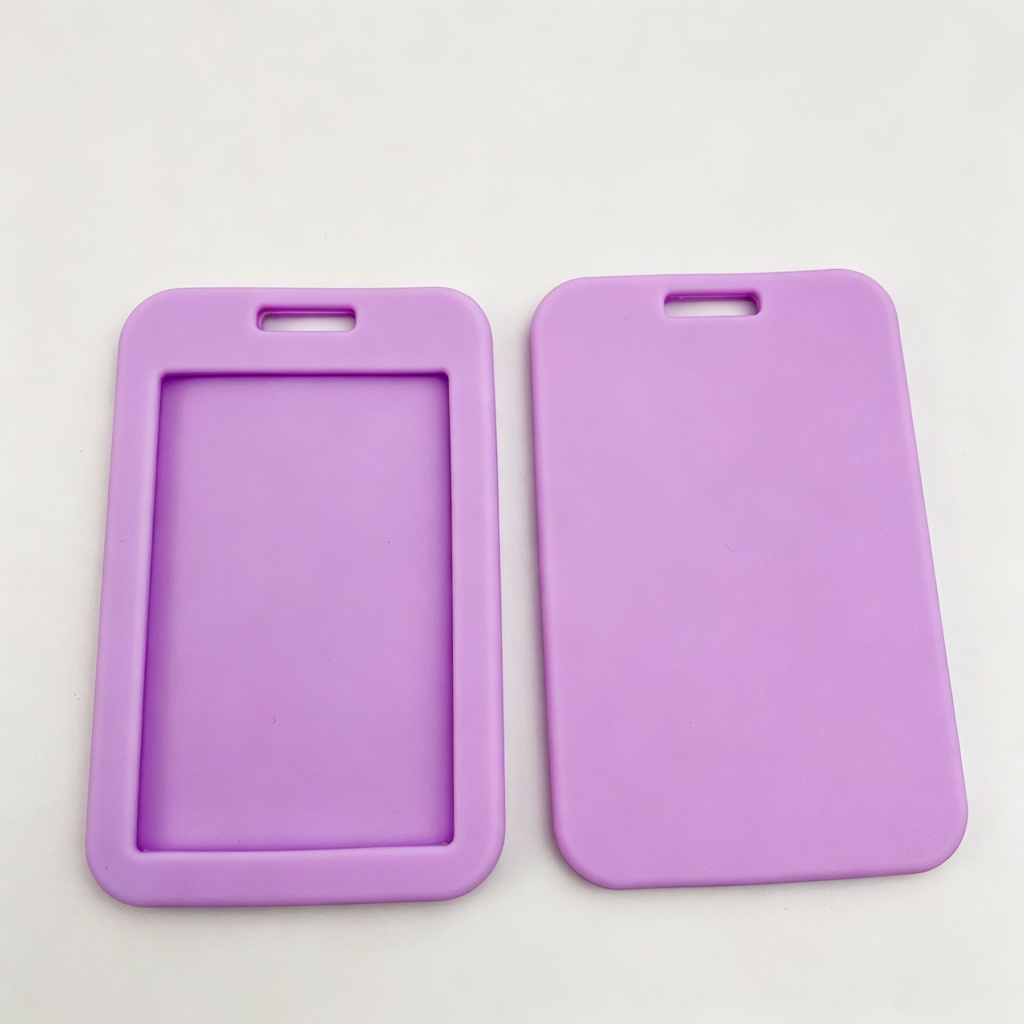
| Phone cases, cable protectors | Peroxide is normally sufficient | No food contact; cost matters at volume |
| Car accessories, seals, pads | Peroxide is normally sufficient | Confirm no skin-contact complaint history |
What to write into the specification
Put these five lines into the RFQ and the purchase order. They cost nothing and remove most disputes:
- Curing system: "platinum-cured" or "peroxide-cured with post-cure" — not "food grade", which is not a curing system.
- Post-cure cycle: temperature and duration, e.g. 4 h at 200 °C, applied to production parts, not only to samples.
- Odour acceptance: sealed-jar test at room temperature for 30 minutes, judged against an approved reference sample.
- Test standard: FDA 21 CFR 177.2600 or LFGB section 30&31 on the coloured compound, not on natural material.
- Change control: switching curing system or compound supplier requires written approval.
Verifying the claim at sample stage
Two quick checks separate real process control from marketing. First, weigh a sample before and after 4 hours at 200 °C: a properly post-cured peroxide part loses almost nothing; an under-cured part can lose several percent in volatiles and will shrink measurably in service. Second, seal a sample in a clean glass jar for 30 minutes and smell it against an approved reference. Both tests cost the factory nothing, so a supplier who resists them is telling you where their process stands.
Also ask which compound brand and grade is used and whether the same grade is reserved for your orders. Change control on compound grade is the cheapest insurance against "the second batch smells different".
FAQ
Is platinum-cured silicone always safer?
No. Safety for food contact is determined by the formulation and the applicable test standard, not by the curing system alone. A certified peroxide-cured compound with a validated post-cure can meet FDA or LFGB requirements. Platinum's advantage is lower volatiles and odour by default, which reduces process risk.
Does platinum curing change hardness or feel?
Marginally. Platinum parts often feel slightly "drier" and more elastic because no by-products plasticise the surface. If a feel-matched part is being converted from peroxide to platinum, re-approve a hardness and touch sample before mass production.
Can I switch a peroxide tool to platinum later?
Yes, but the tool and workshop must be cleaned and the first articles inspected for cure inhibition. Expect a short trial period and keep the old parameters documented in case conversion proves uneconomic.
Why does one factory quote platinum and another peroxide for the same part?
Usually because the specification left the choice open and each factory quoted its default. This is exactly why curing system, post-cure cycle and test standard must appear in writing before quotations are requested.
Next step
If you are deciding between the two systems for a specific part, send the drawing, the contact scenario (food, skin, none) and the target price. We will recommend the minimum system that passes your compliance requirements, rather than the most expensive one. See our custom silicone OEM and ODM service for the development process, or review silicone baby products where platinum curing is our default.