Why Color Consistency Matters in Custom Silicone and PVC Branded Goods
Read:11
Branded silicone and PVC goods, such as wristbands, charms, luggage tags, coasters and shoe charms, often carry a company, event or team color. When pieces in the same order look noticeably different from one another, the product feels unfinished even if the shape, print and mold are correct. Color consistency is one of the first details buyers notice, and it is worth planning for before production rather than checking after the goods arrive.
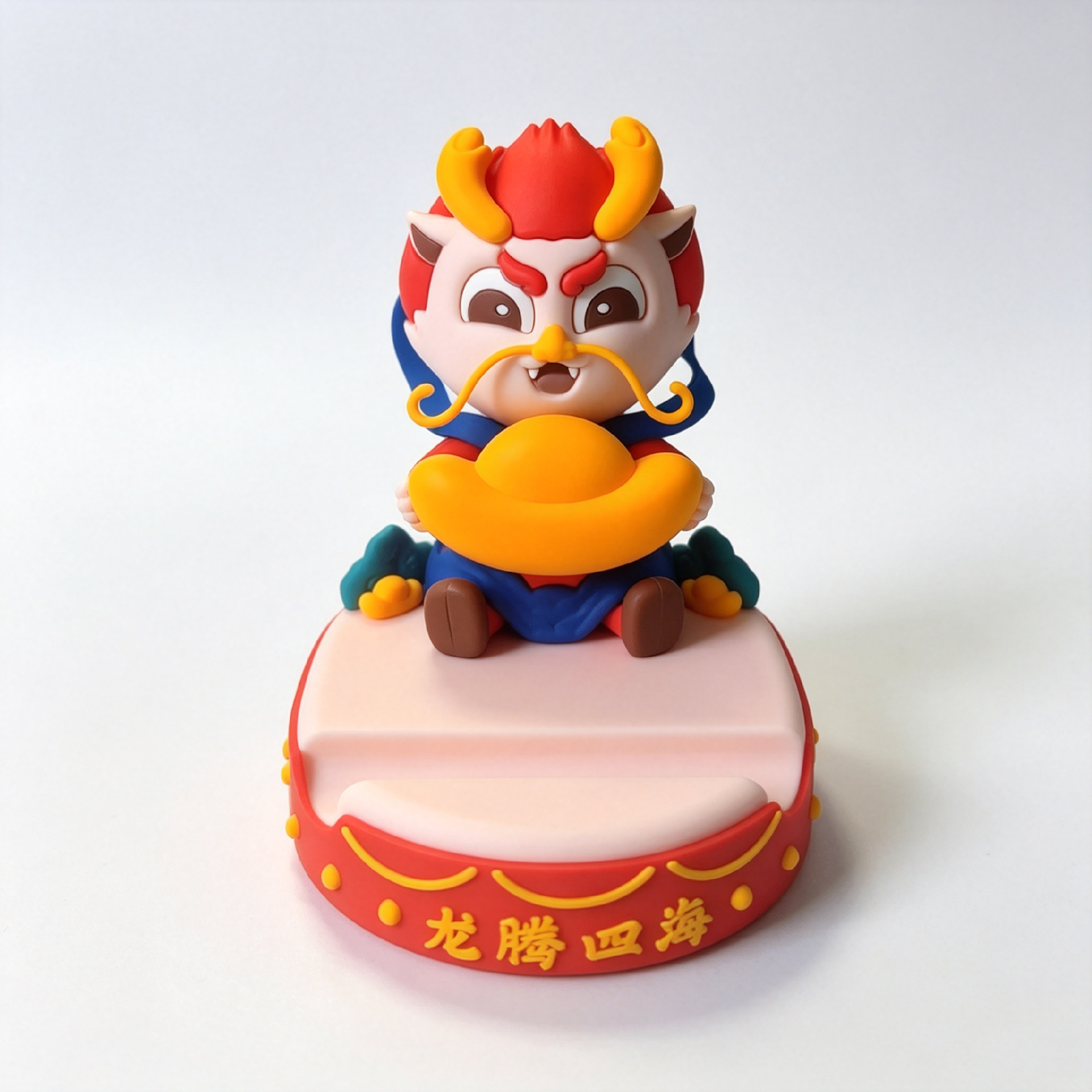
Color in molded silicone and PVC comes from pigment added to the base material. Variation can come from uneven pigment mixing, different pigment batches, cure temperature, or the finish of the mold surface. A batch that mixes pigment unevenly shows streaks or patches; a mold that was polished differently reads slightly lighter or darker under the same color. Matte and glossy finishes also look different under the same shade, so finish should be decided alongside the color reference rather than left to default.
The practical way to protect consistency is to lock the reference at the sample stage. Keep an approved physical sample or a recorded color card, and compare later batches against it under normal lighting. For orders split over several production runs, a single master sample reduces drift between batches. Lighting itself changes perception: a color judged under a shop light can look different in daylight, so the reference comparison should happen under consistent, neutral light, not against a monitor screen alone.
Buyers should share Pantone or existing product color references early. If the item sits next to printed packaging, a logo label or other branded pieces, adjacent colors can make the same shade look different, and the supplier should know what the product will be paired with. For multi-color pieces, list which areas use which color and whether fine lines need a lighter or darker tone to stay visible. Clear color mapping on the artwork prevents color zones from being swapped during molding.
Silicone and PVC also behave differently in color reproduction. Silicone tends to show colors softly and can shift slightly after curing, while PVC soft glue holds crisp outlines and thin color layers more readily. Material choice should be matched to the design: flat detailed charms and labels often work well in PVC, while flexible items such as wristbands and coasters stay with silicone. Each material may need its own pigment adjustment to reach the target shade, so do not assume a color matched in one material transfers directly to the other.
For events and large campaigns, consistency matters across the whole order set. If wristbands, charms and tags all carry the same brand color, request that they be reviewed against the same reference before packing. Keep production records for color batch and supplier, and note any approved reorder so future restocks stay close to the original shade. Sampling, reference locking and batch comparison are the straightforward steps that keep branded pieces looking matched from the first unit to the last.