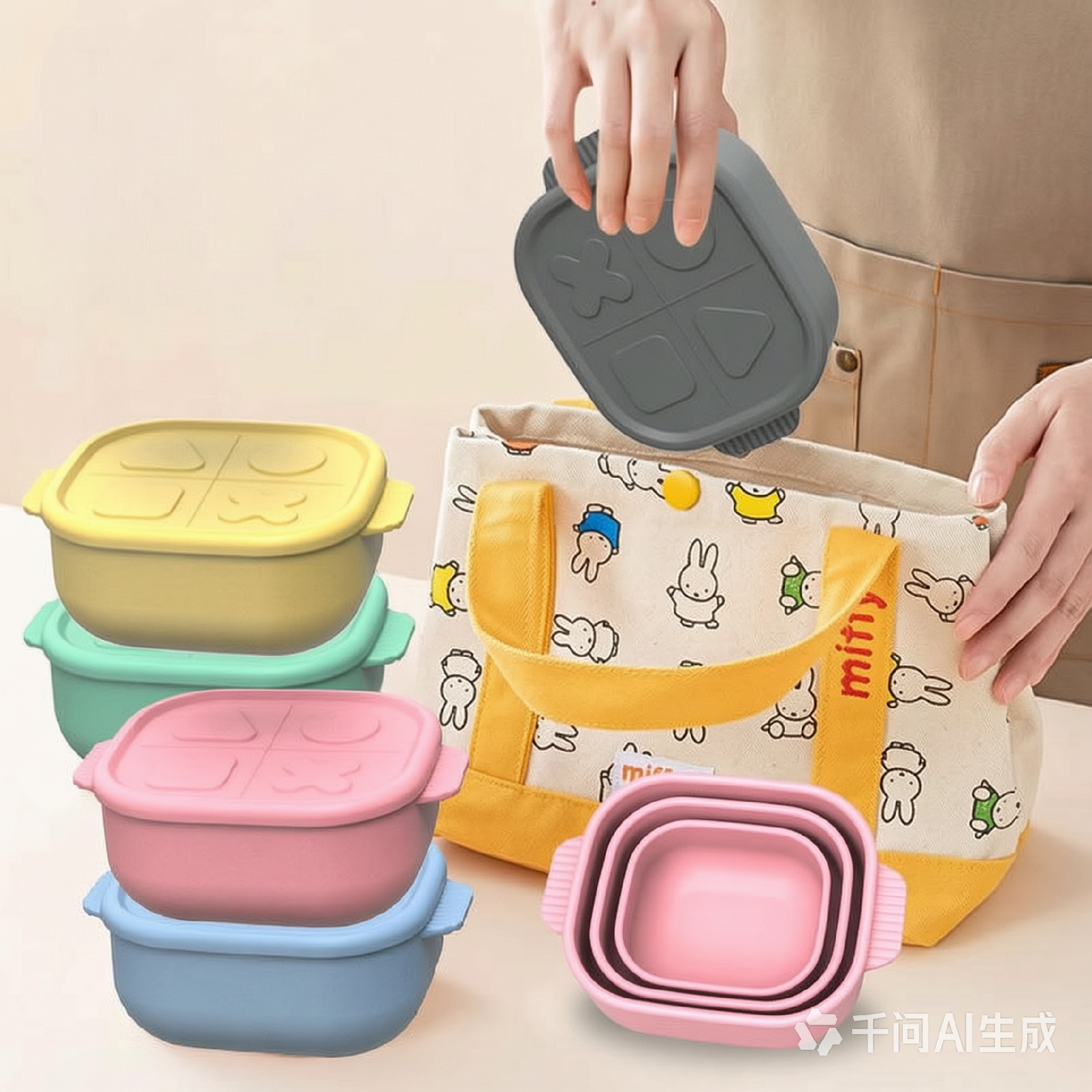
Silicone Protective Covers for 3C Accessories: Getting the Fit and Tolerance Right
Read:9
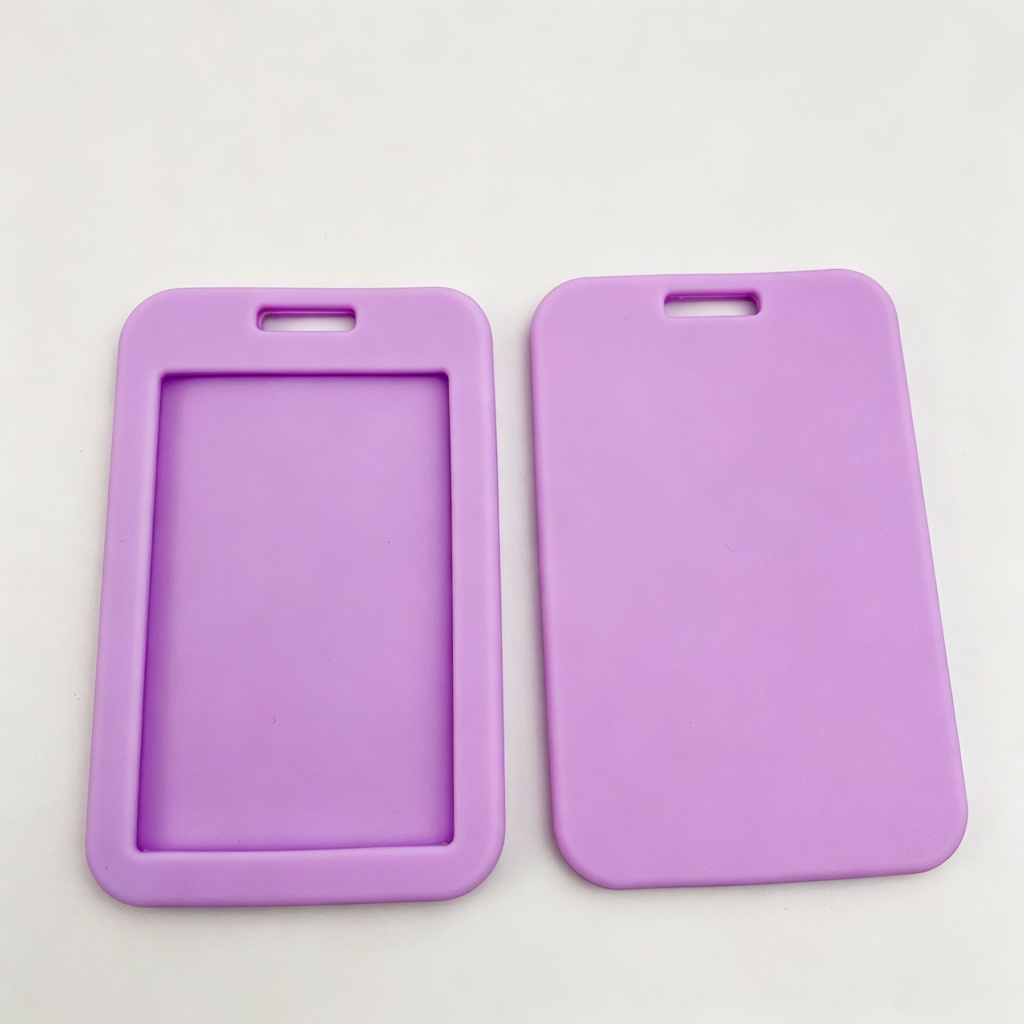
Silicone protective covers are made for earbud cases, flash drives, power banks, small cameras, remotes and other 3C items. Their job is to absorb minor bumps, resist scuffs and give the device a better grip, but the cover only works if it matches the device closely. Fit problems are the most common complaint in this category, and most trace back to wall thickness, inner tolerance or measurements taken from the wrong source.
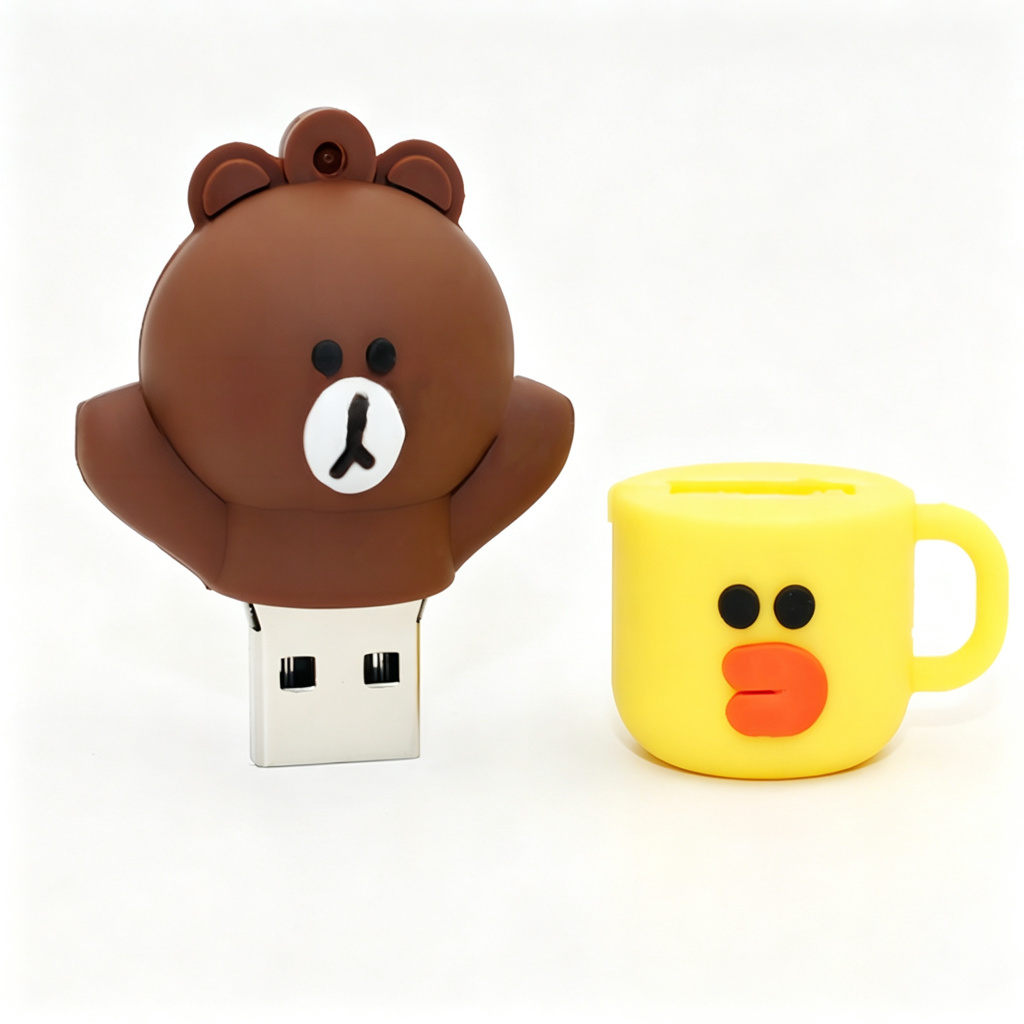
Wall thickness and inner tolerance control the fit. A cover molded too tight strains the silicone and can split along the edges when pushed on, or make it impossible to remove without twisting. One too loose shifts around, exposes buttons and openings, and may slip off during daily carry. Inner measurements should be taken from the actual device, not from an approximate size listed online, because small case differences between brands, revisions and colors change the fit. When no physical device is available, drawings with dimension marks and corner radius help the factory set the mold, but a trial sample against the real unit is still recommended.
Openings for ports, buttons and charging need to line up after molding. Check the sample against the device: the charging cutout should sit centered, button holes should match the raised buttons, and any hinge or lid gap should open without the cover catching. Covers that wrap around a clamshell case need enough flexibility along the seam to let the lid open fully, while rigid-fit covers should not pinch the hinge. Logo placement, color and keychain attachment are usually settled on the sample, along with whether the outside is smooth, textured or semi-matte.
Surface texture affects both grip and feel. A lightly textured outside improves hold and hides fingerprints, while a smooth inner surface helps the cover slide on and off without catching. Match texture to the use case: covers for daily carry benefit from grip texture, while covers used as a branded gift can stay smooth for a clean printed look. Edge finish matters too; clean trimmed edges feel comfortable in the hand and avoid the rough flash that comes from an unfinished mold.
Material choice should follow how the device is carried. Standard silicone offers soft touch and decent shock absorption, while harder silicone grades hold a sharper shape and fit more precisely. Confirm hardness with the supplier, since the same inner dimensions in a softer grade can feel looser than in a firmer one. If the cover will see frequent cleaning or contact with oils and sweat, ask about material durability and color retention over repeated washes.
When ordering custom covers, provide the physical device or precise dimensions, note any buttons, ports, strap points and camera cutouts, and keep a sample on file to compare later production runs against. Review color matching, packaging and any printed branding before mass production, and consider whether the product sells as a single cover or as a paired set with the device accessory. A fit validated on the real unit at sample stage prevents the more costly rework that comes after a whole batch has been molded.