Silicone Placemats for Hospitality and Home Brands: Thickness, Texture and Compliance
Read:9
A placemat is the largest silicone surface most households own, which makes it the most visible test of a brand's material quality. The buying conclusion for hospitality and home buyers: thickness, texture and edge finishing are the three specifications that separate a premium-feeling mat from a cheap one, and all three are cheap to get right at the factory and expensive to discover wrong at retail.
Why silicone owns this category's growth
Fabric placemats stain and need laundering; PVC-plastic mats curl at the corners and are the subject of plasticiser scrutiny in several markets; cork and bamboo wear unevenly. Silicone mats wipe clean in seconds, tolerate a hot dish straight from the oven, grip the table so plates stop sliding, and roll for storage without retaining a curl memory. For cafés and hotels the operational math is decisive — no laundry cost, no replacement cycle from staining, and a surface that survives commercial sanitising. For home retail, the family-with-toddlers segment buys silicone specifically because food mess wipes off and the mat doubles as a feeding surface.
Thickness and size: the feel is the spec
| Parameter | Typical range | What it changes |
|---|---|---|
| Thickness | 1.0–3.0 mm | 1 mm feels budget and curls at edges; 2–3 mm lies dead flat and reads premium |
| Rectangular size | 30×45 to 35×50 cm | Must clear a full dinner plate plus cutlery; EU tables favour wider formats |
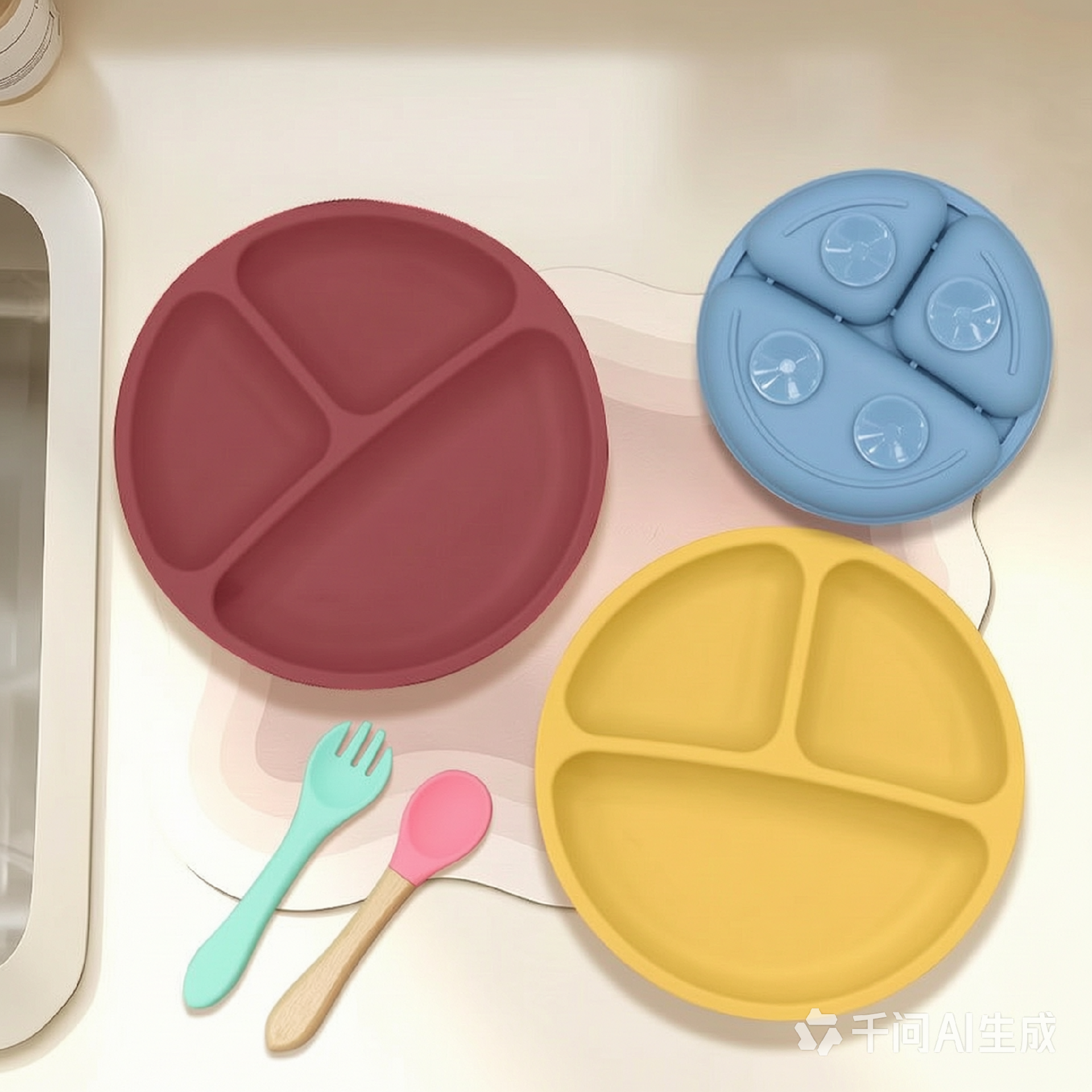
| Rounded kids format | 38–45 cm diameter | Feeding-time containment; often moulded with a raised rim |
| Edge profile | Square, rounded, bevelled | Rounded edges resist lifting and feel softer in hand |
Thickness drives unit cost almost linearly through material weight, and it is the single biggest feel differentiator. A 2.5 mm mat costs modestly more than a 1.2 mm one and retails at a multiple of the price difference; specify thickness deliberately rather than letting a quotation decide it for you.
Surface texture and grip behaviour
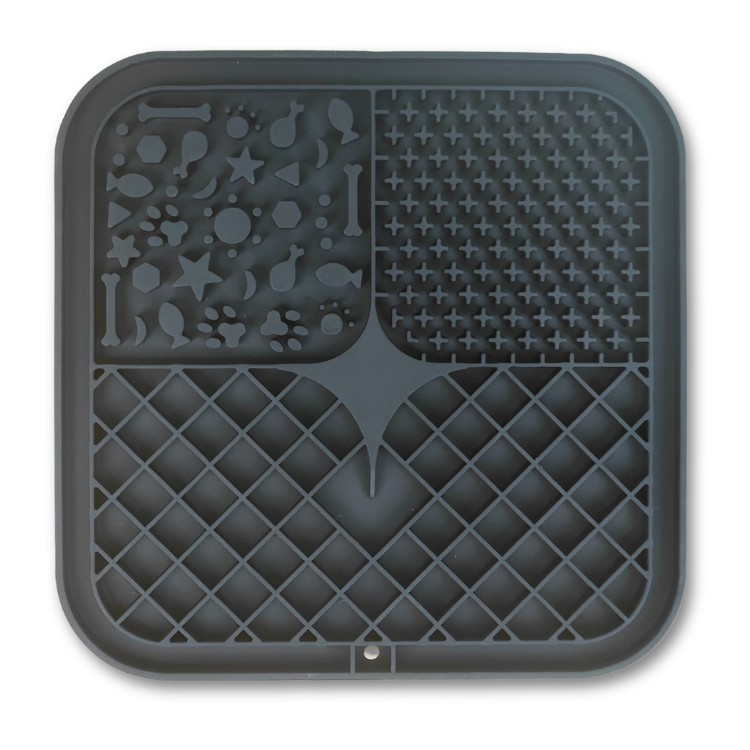
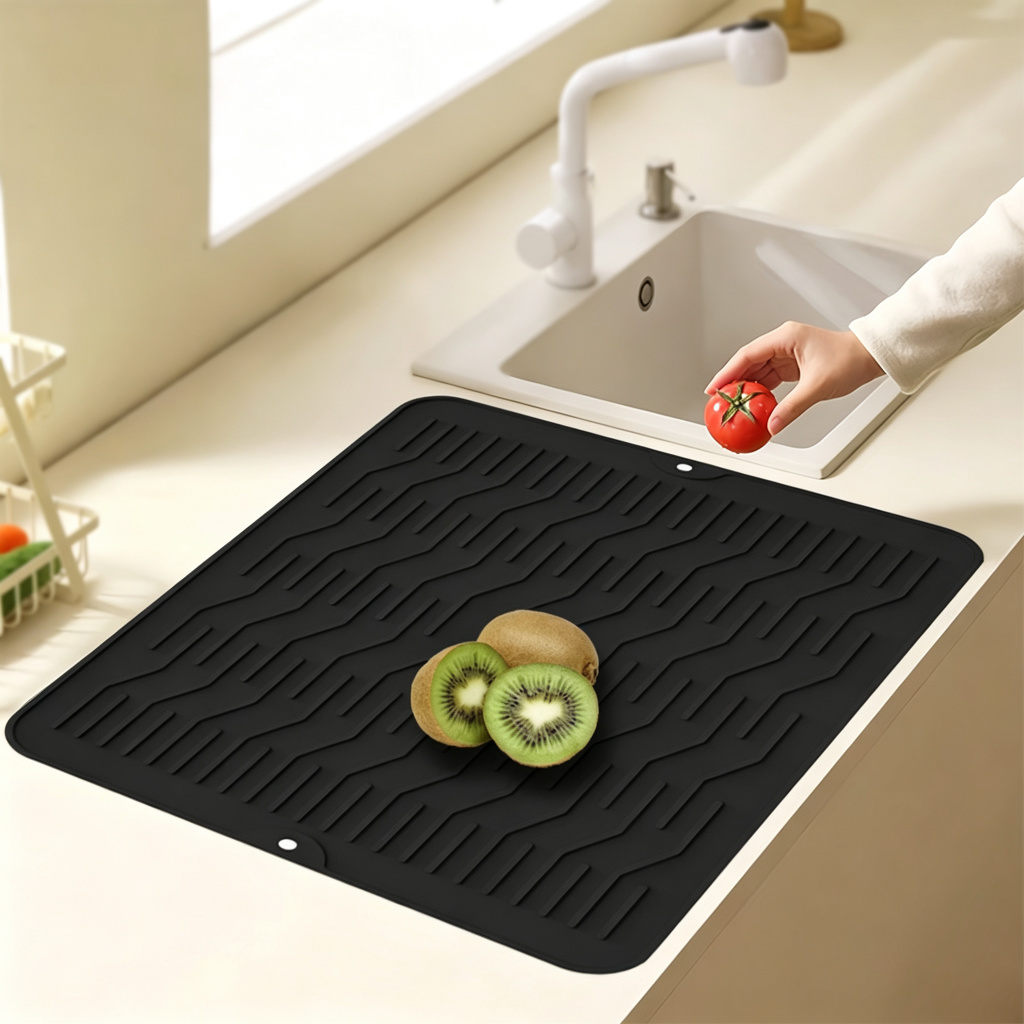
Texture choices are a branding decision as much as a functional one. Waffle and pebbled textures hide scuffs and water rings — the right choice for high-turnover cafés. Smooth gloss surfaces show colour best and photograph well for e-commerce, but show every scratch. Matte sandblasted finishes sit between the two and are the most common premium-retail choice. On the underside, grip texture matters most on glass and polished stone tables: a plain smooth underside can slide on smooth surfaces, which guests read as flimsiness regardless of compound quality. Specify a dimpled or ribbed underside wherever polished table tops are the target environment.
Heat, stain and cleaning performance
Silicone tolerates a 200 °C dish placed directly on the mat, which fabric and most coated mats cannot — put that claim on packaging only after confirming the compound's ageing data. Stain resistance is strongest in platinum-cured, low-filler compounds; heavily pigmented sauces can tint cheap grades within days of contact, which is why the coloured compound's stain test belongs in your acceptance criteria. Cleaning is genuinely simple: wipe, dishwasher, or wash in a sink; commercial kitchens value that the mats survive sterilising chemicals that destroy fabric.
Compliance and the food-contact surface
Placemats are a food-contact surface by any reasonable reading, so specify FDA 21 CFR 177.2600 or LFGB-based compliance for the coloured compound as standard. This matters commercially beyond regulation: the home-retail channel increasingly prints food-contact material declarations on packaging, and a compliant compound lets you make that claim. Where mats are printed with logos or decorative artwork, the ink system needs the same food-contact seriousness as the rubber, plus verification that it survives the dishwasher cycles the packaging promises.
Hospitality vs home retail: two different orders
The same factory product serves both channels, but the order shapes differ. Hospitality buyers order large volumes in few colours, prioritise wipe-clean texture and grip, and often want a debossed property logo that survives years of commercial washing. Home retail orders smaller quantities across seasonal colourways, prioritises visual texture and packaging presentation, and frequently wants a full artwork print. Communicate which channel you serve in the RFQ — it changes the texture, decoration and packaging decisions the factory proposes, and it changes what MOQ structure makes sense: hospitality programmes consolidate into single-SKU volume, while retail programmes need per-colourway MOQs around 500–1,000 pieces, with new-shape tools amortised across the season.
Cost drivers and typical lead times
Unit cost tracks thickness, size and surface complexity; a raised-rim kids' mat or a multi-layer colour build adds moulding steps. Industry-typical practice is new-tool samples in one to two weeks and mass production two to four weeks after approval, depending on volume and the number of colourways — treat these as ranges and confirm both stages in writing. Because mats are flat and light, freight is rarely the constraint; the packaging's ability to keep mats flat in cartons matters more for presentation on arrival.
FAQ
Do silicone placemats slide on the table?
With a dimpled or ribbed underside, no — grip on wood, laminate and stone is solid. Smooth-on-smooth contact (mat on glass or marble) can slide, so specify underside texture if polished surfaces are common in your market.
Can hot dishes go directly on the mat?
Yes — food-grade silicone is stable well above normal serving temperatures. Verify the compound's heat-ageing data and state the tested temperature on packaging rather than an unqualified marketing number.
Will the mat stain with tomato or curry?
Platinum-cured, low-filler compounds resist staining; cheap filler-heavy grades can tint within days. Run a 7-day sauce contact test on the exact coloured compound before approving packaging claims such as "stain resistant".
What MOQ should I plan for custom placemats?
Standard shapes with colour and logo customisation commonly start around 500–1,000 pieces per colourway; fully shaped custom mats with a new tool usually start near 1,000–2,000 pieces. Negotiate tool reuse terms if you plan seasonal ranges.
Next step
Send thickness, size and texture targets with artwork for a quotation, or browse reference items under silicone kitchen products and silicone outdoor products. The wider product catalogue shows the standard formats most placemat programmes adapt.