Soft PVC Drip-Molded Items: Defect Catalogue, Root Causes and Inspection Points
Read:8
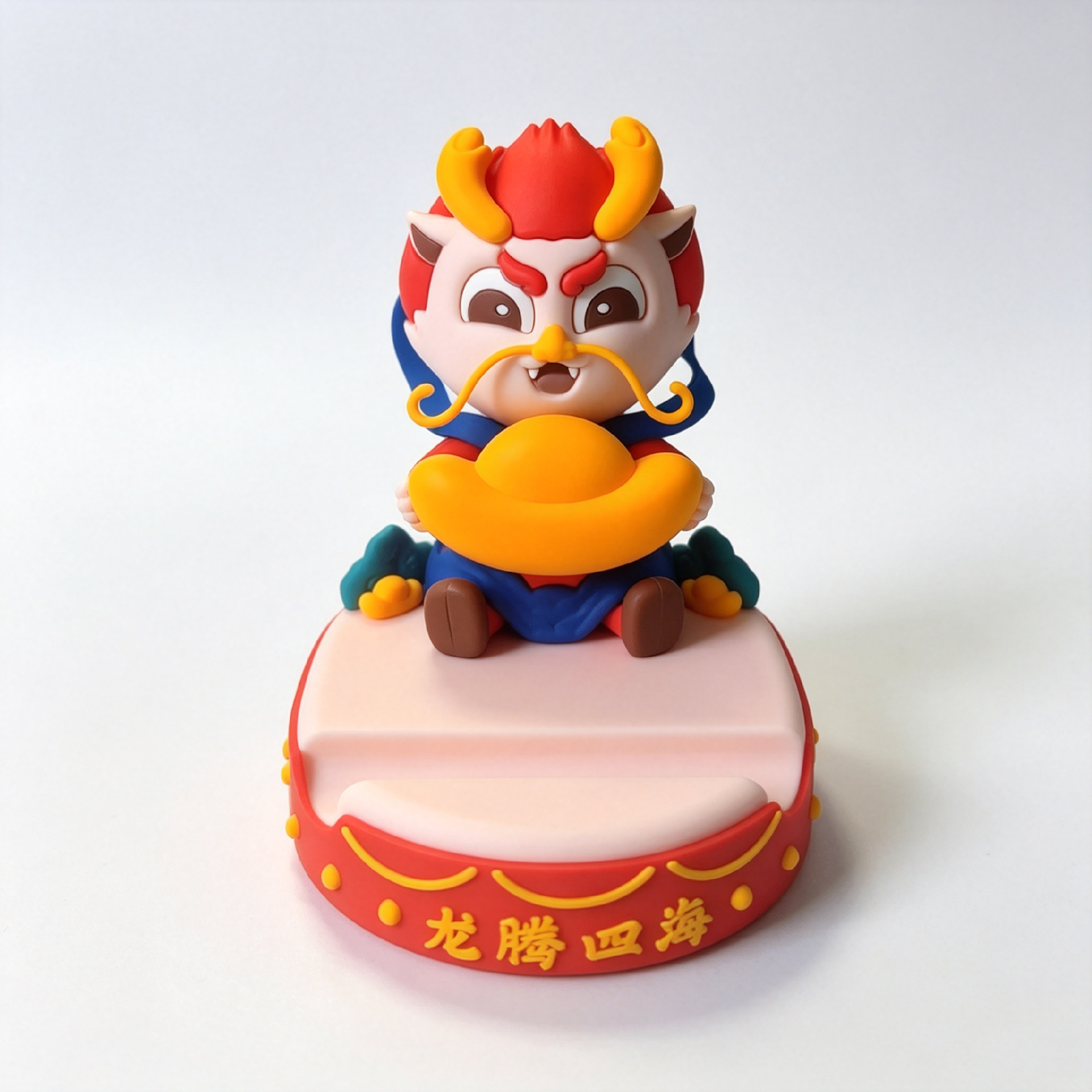
Drip-molded soft PVC — the layered, hand-poured process behind most keychains, magnets, badges and 3D soft-rubber logos — is a manual process, and its defect profile reflects that. Unlike injection moulding, quality depends on paste preparation, pouring skill and oven discipline. Buyers who understand the defect catalogue can set realistic AQL levels and hold factories to the right problems instead of arguing over unachievable perfection.
The process in one paragraph
Each colour layer is a PVC plastisol paste — PVC resin, plasticiser, pigment — dispensed by hand or machine into a mould cavity, partially oven-set, then the next colour goes on top. Fine detail comes from a metal or resin mould; the back layer and any metal fitting are added last; a final bake completes the cure. Total cycle time per piece can run into tens of minutes across ovens, so defect prevention — not end-line sorting — is where quality is won.
Defect catalogue with root causes
| Defect | Appearance | Root cause | Typical severity |
|---|---|---|---|
| Air bubbles | Round voids under or within a colour layer | Paste not vacuum-degassed; pouring too fast | Cosmetic to minor functional |
| Colour bleed | Colours mixing at a boundary, fuzzy line | Previous layer under-set; paste viscosity wrong | Cosmetic; sharpness loss on logo lines |
| Under-fill | Missing paste at fine detail or corners | Viscosity too high; cavity not primed; rushed pour | Cosmetic; noticeable on text |
| Pinholes | Tiny surface pits | Air trapped at surface; contaminated paste | Cosmetic |
| Warp / curvature | Piece will not sit flat | Uneven bake; back layer thickness mismatch | Functional for flat items (magnets, badges) |
| Soft / tacky back | Under-cured back layer, print sticks | Final bake temperature or time short | Functional; leads to odour and sticking |
| Print misregister | Silk-screen detail off position | Fixture wear; manual alignment | Cosmetic; visible on brand logos |
| Flash at mould seam | Thin excess edge | Mould wear; over-fill | Cosmetic; trimmable |
What is acceptable: set the bar by class
Because the process is manual, expecting zero cosmetic variation is a plan for 100% rejection. The workable structure classifies defects into three gates:
- Critical (zero tolerance): under-cured or tacky surfaces, odour, sharp burrs, missing or loose metal fittings, wrong artwork colours.
- Major: misregister visible at arm's length on the brand element, colour bleed across a logo boundary, bubbles on the front face within the main design area.
- Minor: bubbles on the back face, pinholes on non-brand surfaces, slight flash, soft-edge variations invisible at arm's length.
Then apply a normal AQL sampling plan (for gifts, AQL 2.5 major / 4.0 minor is typical) and inspect under defined conditions: 600–800 lux, viewing distance 30–40 cm, 10 seconds per side. The distance-and-time discipline is what keeps judgement consistent between your inspector and the factory's.
Process controls that prevent the top three
- Vacuum degassing of paste before pouring removes the majority of bubbles — ask whether paste is degassed per batch and how the factory verifies it.
- Layer-set discipline: partial-bake timing per colour layer determines whether colours bleed. The control is a timed, temperature-logged oven, not an operator's sense of "ready".
- Paste viscosity checks per batch, especially in humid seasons — viscosity drift is the hidden cause of both under-fill and bleed.
The incoming inspection plan
For each shipment: sample per the AQL plan; check cure by a fingernail or tack test on the back layer; check odour with a sealed-bag test on 3–5 units; verify fitting pull strength on a small sample if the item carries rings or magnets; and photograph a boundary sample set so the next shipment has a physical reference. Keep a "gold sample" card per SKU — drip molding drifts gradually, and a reference card catches drift a written standard cannot. For category context and construction options, see our soft PVC products page, and compare material routes in our product categories.
FAQ
Why do bubbles appear even from a good factory?
Because pouring is manual and paste is organic in behaviour. Degassing and discipline keep bubbles rare and off-brand-surfaces; zero bubbles across a whole run at fine detail is not a realistic specification for hand-drip work.
Is colour bleed always the factory's fault?
Mostly, but artwork matters: extremely thin colour boundaries below roughly 0.3 mm in artwork are hard for any drip line to hold. Ask for a DFM review of colour separation before tooling.
Should I demand 100% inspection?
For critical attributes (cure, fittings, odour) yes — those checks are quick. For cosmetic grades, 100% inspection with no agreed defect classes just shifts argument from the sample table to your inbox.
How is drip PVC different from epoxy resin casting?
Epoxy domes are self-levelling and usually single-colour with printed art underneath; drip PVC builds multi-colour 3D layers. Their defect profiles differ accordingly — see our epoxy yellowing and bubbles guide among the PVC category pages.
Next step
Send artwork and quantity; we will return a DFM note on colour separation and line count, propose the AQL structure above, and quote with the process controls included rather than promised verbally.