Silicone vs Epoxy Resin: Which Material for Keychains, Charms and Gifts
Read:72
Both materials can produce a colourful, soft-feeling, logo-bearing accessory, and both are quoted at similar unit prices at low volume. The difference shows up in the third month of use, in the regulatory file, and in the returns rate. Here is how to decide.
Side-by-side comparison
| Property | Silicone | Epoxy resin |
|---|---|---|
| Feel | Soft, rubbery, grippy | Hard, glassy, smooth |
| Impact resistance | Excellent, absorbs shock | Brittle, chips on hard impact |
| Heat resistance | Up to 200°C+ for short exposure | Softens around 60–80°C |
| UV stability | Good; colour may shift slightly | Poor unless UV-stabilised; yellows |
| Colour depth | Solid and opaque; limited translucency | Excellent; clear, tinted, embedded objects |
| Detail resolution | Good, limited by mould flow | Excellent for fine print under dome |
| Tooling cost | Higher, steel or aluminium mould | Lower, silicone mould or print plate |
| Minimum order | Typically 500+ | From 50–100 |
| Compliance path | Food contact, toy safety, medical grades available | Toy safety only; not food contact |
Where silicone wins
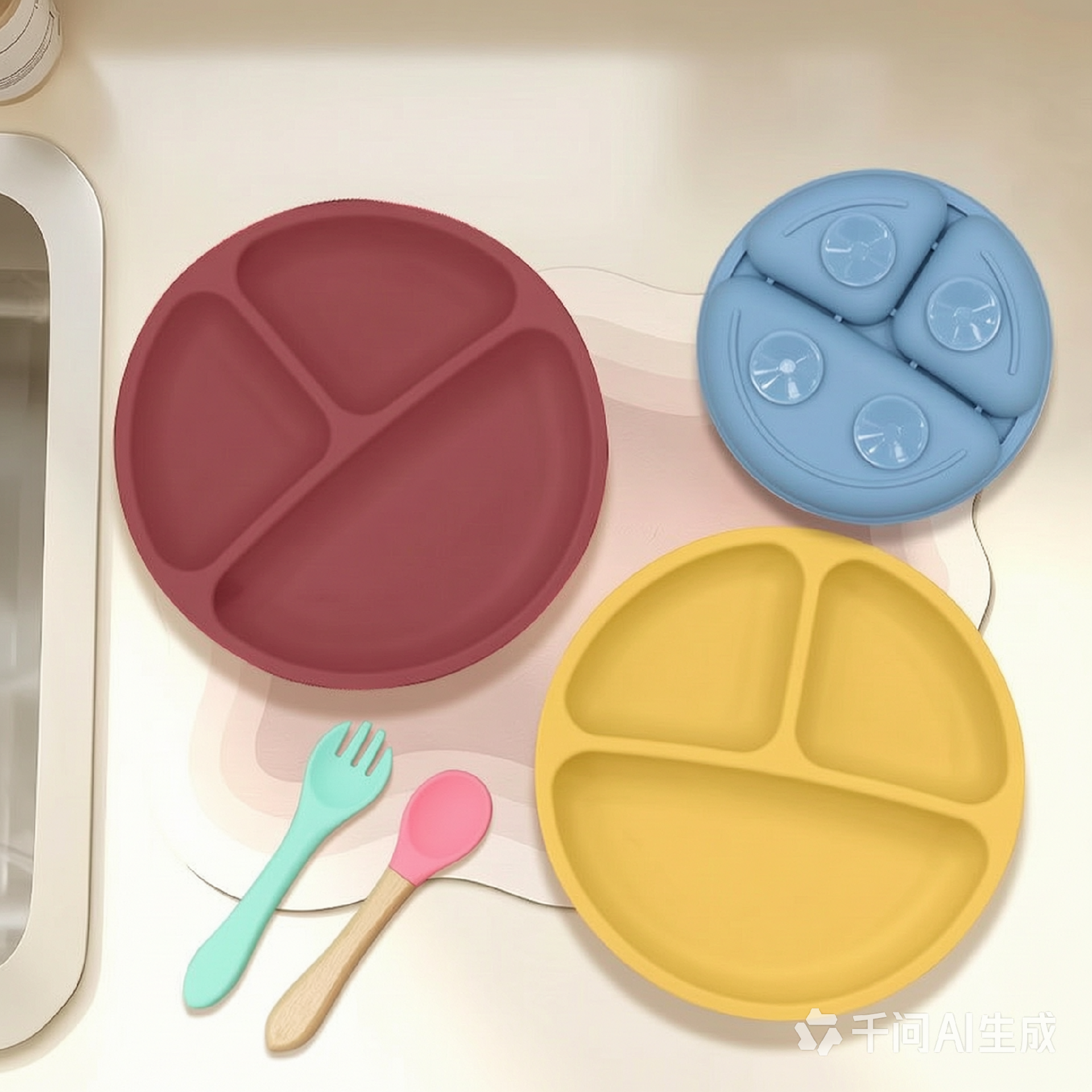
- Anything a child may bite. Silicone is one of the few materials that is genuinely appropriate for teethers, and it passes EN 71 and CPSIA with a clear, well-understood test path.
- Products that live in a pocket or a bag. Silicone does not chip. A resin charm with a hard edge will eventually lose that edge against keys.
- Heat or sunlight. A resin keychain left on a car dashboard in summer can deform; silicone will not.
- Brands avoiding phthalate questions. PVC and some resin formulations invite scrutiny; silicone does not.
Where resin wins
- Small runs with rich graphics. A 100-piece promotional order for a trade show is a doming job, not a moulding job. The tooling economics simply do not work otherwise.
- Transparency and depth. Embedded flowers, foil, glitter, layered colour — none of this is achievable in silicone at a sensible cost.
- Very fine print. Text below 5 pt survives under a resin dome and turns to mush in a silicone mould.
- Glass-like premium finish. Some gift and cosmetic programmes want the hard, glossy look specifically.
The hybrid option most buyers miss
A silicone body with a resin dome on the face combines the durability of silicone with the graphic quality of resin, and it is usually the best answer for a premium keychain or bag charm. It costs more than either material alone, because it is two processes, but it removes the two main failure modes: chipped edges and dull print.
Cost comparison at three volumes
| Volume | Silicone (40 mm, 2 colour) | Resin domed (40 mm) | Verdict |
|---|---|---|---|
| 100 pcs | Mould dominates; poor value | Low tooling, competitive unit | Resin |
| 1,000 pcs | Mould amortised, unit drops sharply | Unit flat, no scale benefit | Close — decide on durability |
| 10,000 pcs | Lowest unit cost of the three | Highest total | Silicone |
Compliance differences that matter
Silicone has a mature regulatory route: FDA 21 CFR 177.2600 and LFGB for food contact, EN 71 and CPSIA for toys, and medical grades where relevant. Resin has a narrower one: it is generally treated as a toy or general consumer article, and food contact claims should be avoided. If the product is aimed at children under 14 in the EU or US, budget for EN 71-3 migration testing and CPSIA third-party testing on whichever material you choose — and test the hardware too, since metal rings and chains are a frequent failure point.
FAQ
Can silicone be made transparent like resin?
Only to a limited degree, and it fogs rather than stays clear. If see-through is a core part of the design, resin is the correct material.
Which lasts longer outdoors?
Silicone, comfortably. UV-stabilised resin slows yellowing but does not stop it, and repeated heat cycles will eventually affect the dome.
Can we switch material mid-programme?
Not without new tooling and a new compliance file. Treat the material decision as fixed once the mould is cut.
Next step
Tell us the volume, the audience and whether the product will be bitten, dropped or displayed in sunlight, and we will recommend one material rather than quoting both. Explore silicone baby products for child-safe examples, or our PVC and resin range for domed and cast items.