What Brands Should Know Before Ordering Custom Silicone Accessories
Read:189
Ordering custom silicone accessories looks straightforward from the outside: send a design, pick a color, place a bulk order. In practice, accessories that fit poorly, wear quickly or miss the brand finish are usually traced to decisions left unclear before production. Brands that prepare the product brief, confirm structure and material, and check the supplier through sampling avoid most of the costly problems that appear after a large run. The points below are the ones to settle before a custom silicone accessory order goes into tooling and production.
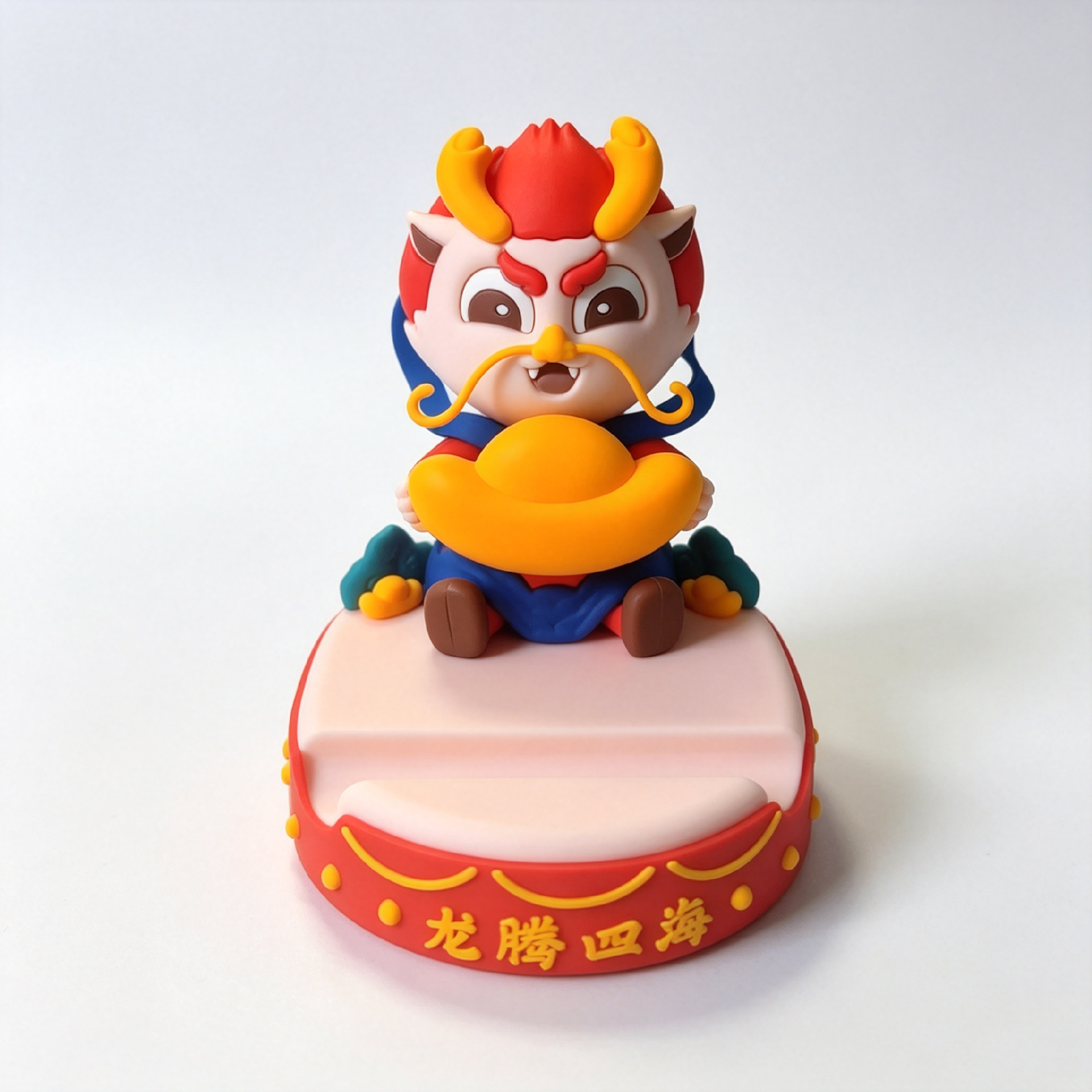
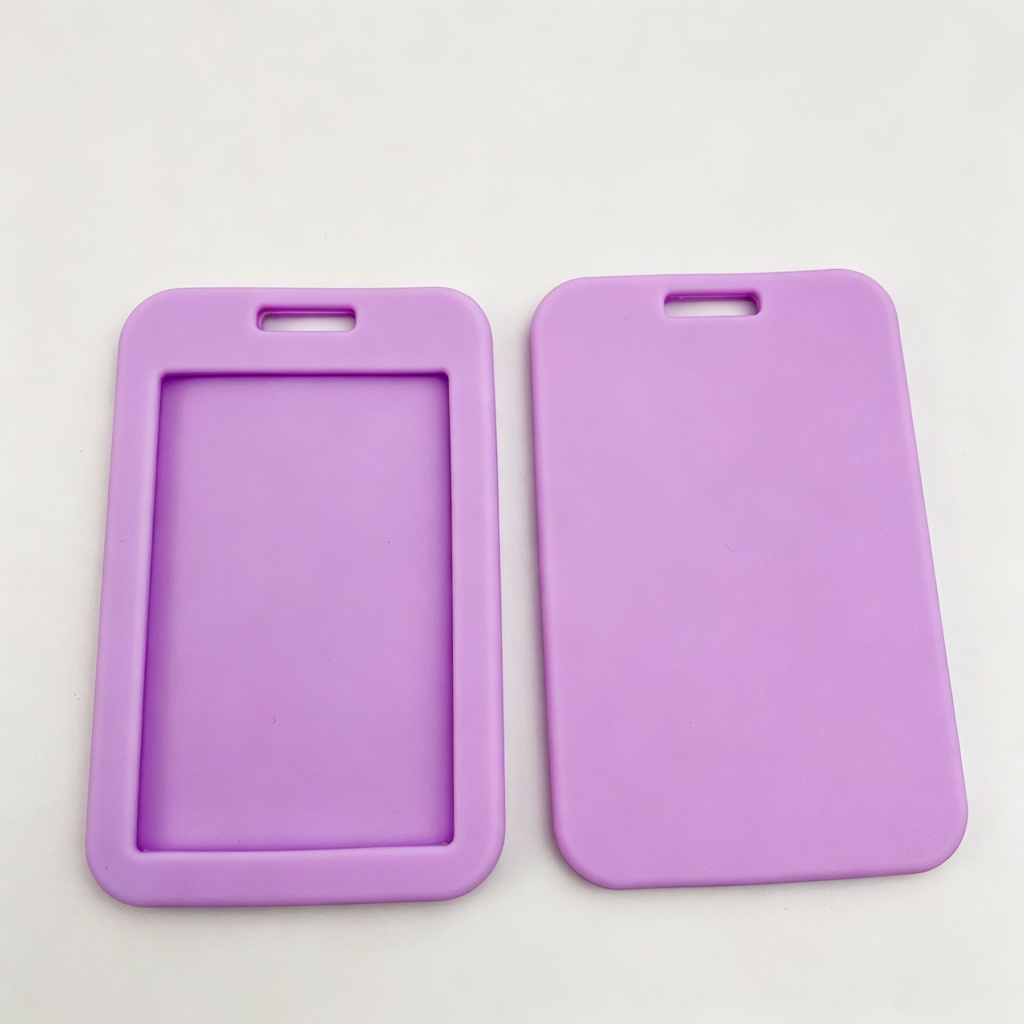
The first preparation step is defining the product's actual use and target user. State what the accessory holds or protects, how often it is removed, whether it contacts food or skin, and the conditions it meets in daily carry. A grip pad, a cable tie and a device cover each ask for different wall thickness, softness and surface treatment. The intended market also matters: an accessory sold as a gift, a retail add-on or a private-label spare part will differ in packaging, finish and documentation, and these should be noted before the quote is prepared.
Dimensions and fit need to come from the real product. Where the silicone accessory wraps a device, cable or container, measure the actual body rather than copying catalog numbers, and note openings, snaps, holes and mating parts. Small fit errors show up as a loose cover, a tie that will not close or a sleeve that slips off the connector. The drawing should list length, width, wall thickness, internal contour and any position that flexes, so the factory can judge whether the shape can be molded and demolded without thin or stretched sections.
Material and hardness are chosen for the job. Confirm whether food-grade silicone is required, and set the Shore A hardness between soft cushioning, balanced general use and firmer scratch-resistant outer layers. Color should be tied to a brand code or physical swatch, and any texture, matte finish or transparent tint should be described clearly. These material choices affect how the accessory feels after weeks of handling, how it cleans, and whether it holds its shape, so they should not be left to the factory's default selection.
Structure and branding decisions come next. Work out closures, grip features, vents or holes, and whether the part combines with another material. The logo can be debossed into the mold for durability, embossed for a raised mark, or printed for sharper multi-color detail, and the method should suit how often the surface is touched. Decide logo size, position and color, and whether any accessory pieces such as straps, hooks or inserts are attached before packing. These choices change mold work, surface steps and final inspection points.
Supplier evaluation and sampling finish the preparation. Look for a factory that can show material reports, explain its mold and inspection process, and match the product category you are ordering. Ask for a sample before bulk approval, and check fit, hardness, color, edge finish, logo clarity and washability on the trial piece. Keep the approved sample on file as the production reference, and record packaging, quantity, lead time and any certification required for export. When use, fit, material, branding and supplier capability are all confirmed before tooling, a custom silicone accessory order is far less likely to return with fit or finish problems in the bulk run.