New Opportunities in the Global Silicone Pet Products Market
Read:264
The global pet products market has kept expanding as households treat pets as family members, and feeding and daily-care accessories are a steady part of that demand. Silicone has become a common material for this category because it is flexible, light, easy to rinse and tolerant of regular contact with food and water. For brands looking to enter or widen a pet line, understanding how silicone pet items are designed and tested helps in choosing products that hold up to real chewing, tipping and washing rather than only looking good in a catalog photo.
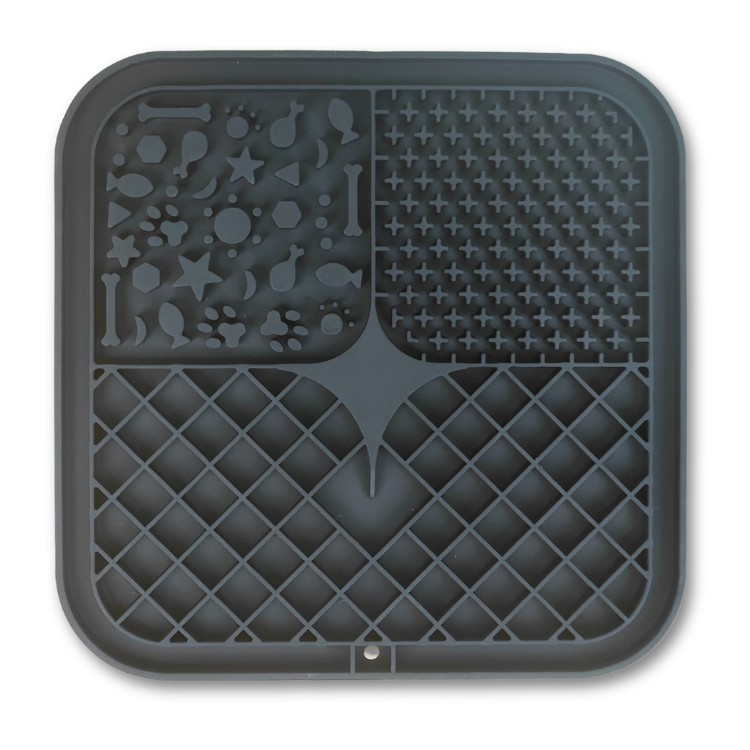
Material safety is non-negotiable for anything a pet licks or chews. Bowls, mats and treat holders should use food-grade silicone, and the material should be free of fillers and cheap additives that could transfer into food or wear down with use. The grade used for pet feeding items can match the higher bar set for baby-contact products, rather than a lower general-purpose material. Buyers should ask for the material report relevant to the destination market and avoid suppliers that cannot show what compound is in the product, since pet oral-contact items leave little room for compromise on safety.
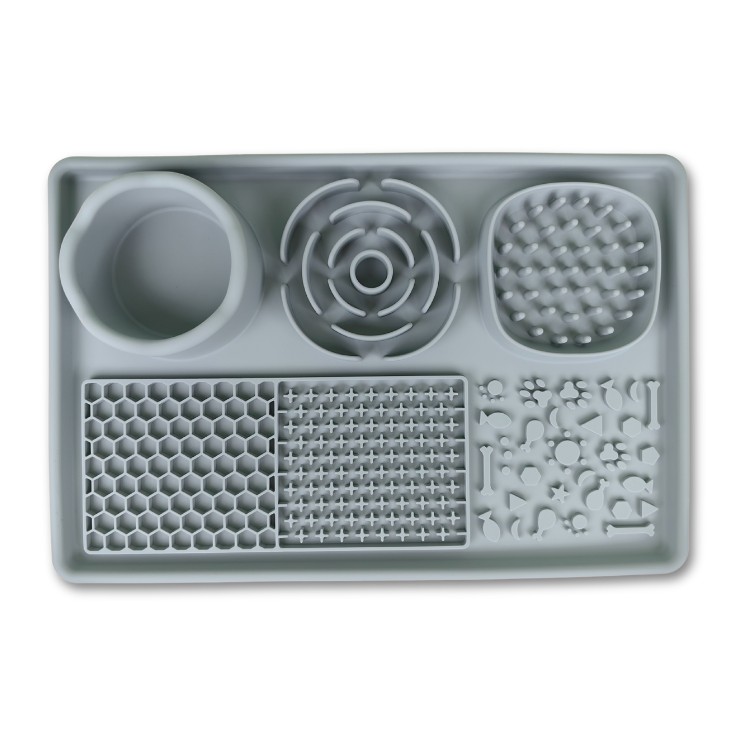
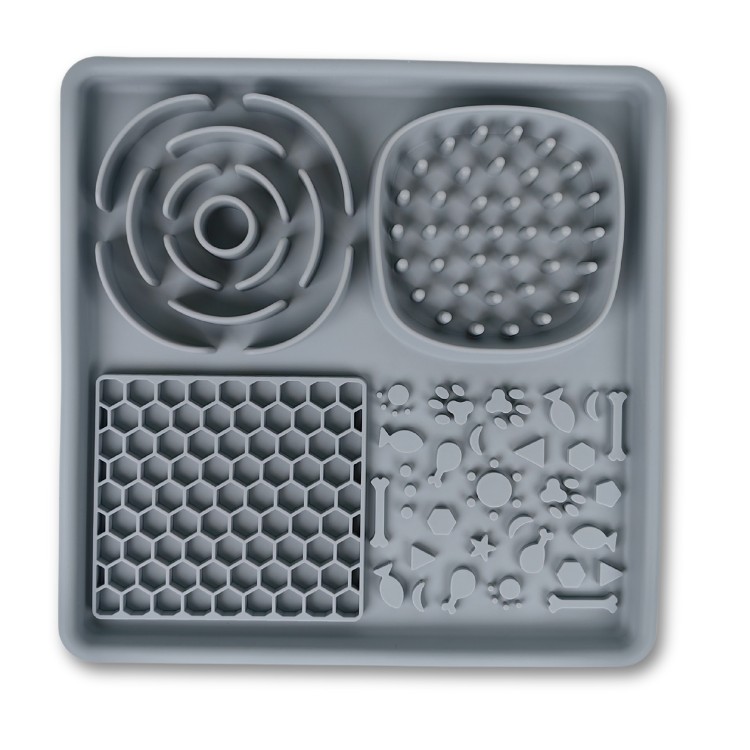
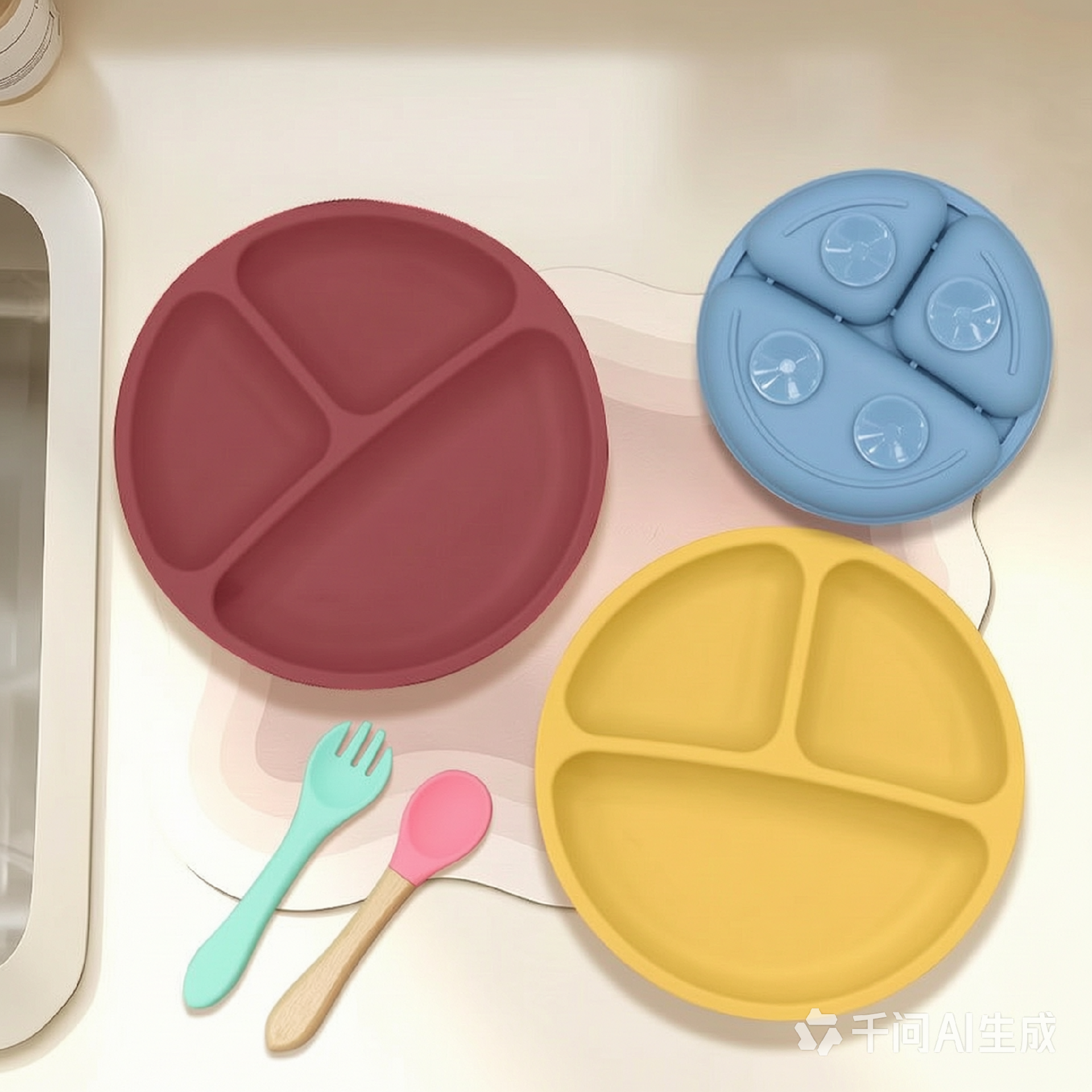
Slow feeder bowls rely on shape and weight more than decoration. Dogs and cats push bowls around while eating, so a feeder has to sit flat and resist being flipped. A heavier base, a non-slip underside and adequate wall thickness keep the bowl stable on tile, wood or laminate floors. The interior ridges and compartments set the eating pace: wider channels suit larger dogs, while denser patterns slow smaller animals and cats. On a sample, test how the bowl slides on a smooth floor, whether the non-slip edge stays attached after washing, and how firmly the ridges hold food without trapping residue that cannot be cleaned.
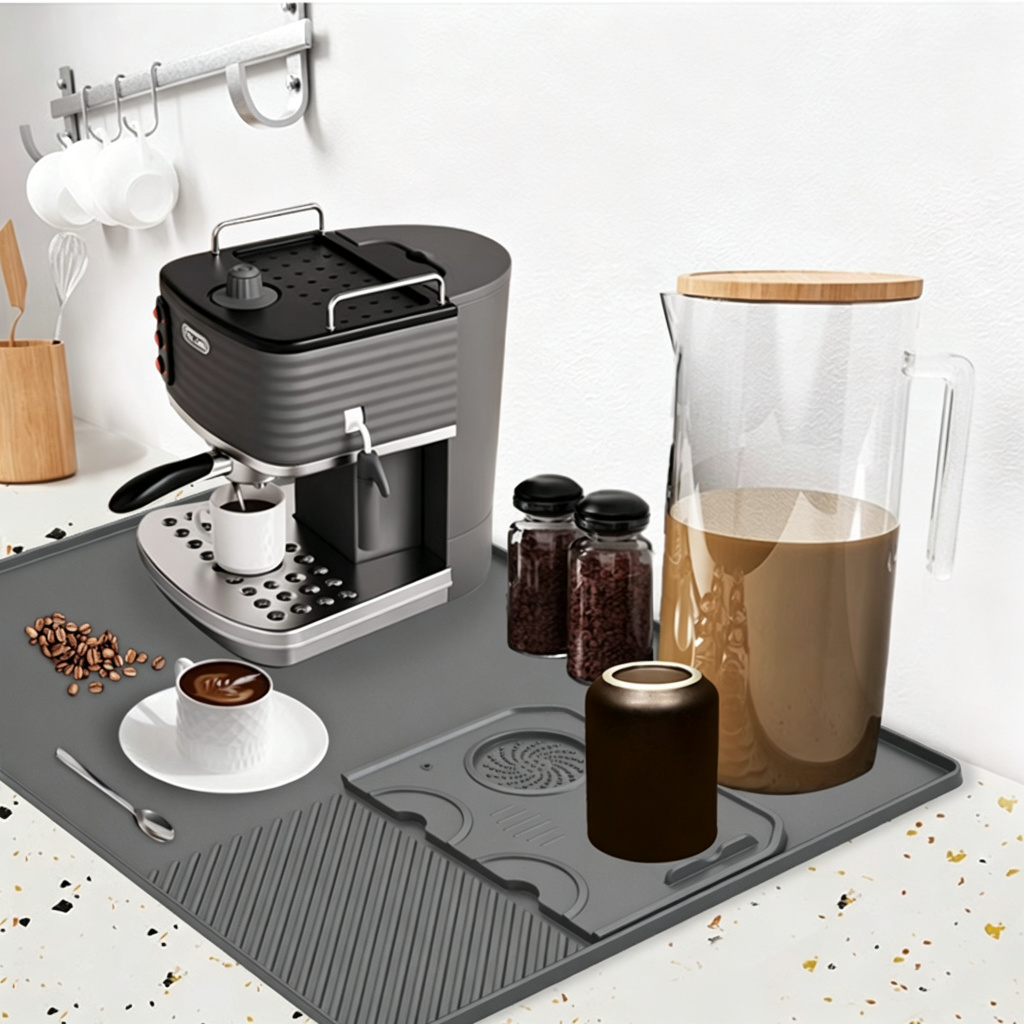
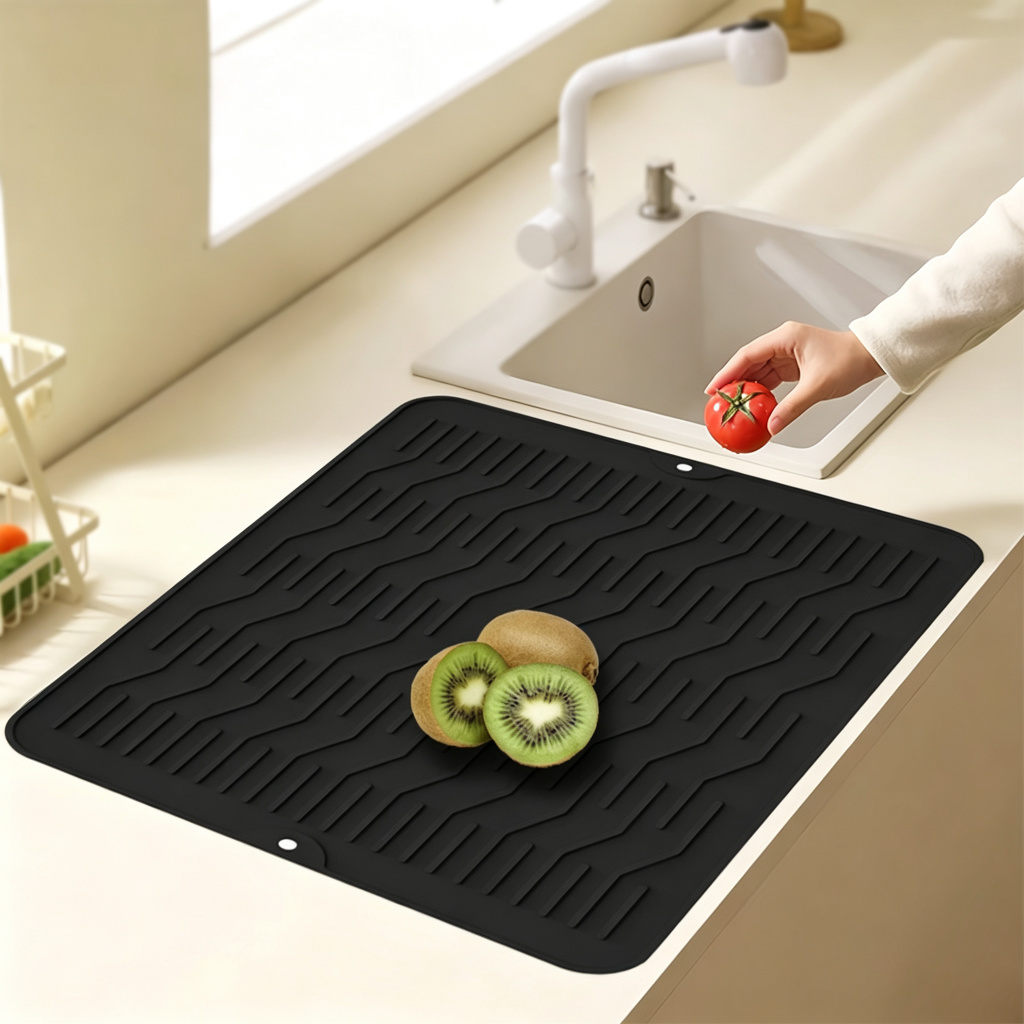
Feeding mats solve the mess around the bowl. They keep food and water off the floor and hold the bowl in place, and the raised lip is one of the most important design details. A lip that is too low lets water run off onto the floor, while one that is too high becomes awkward for small dogs to reach around. A practical lip height is reached by testing with different breeds and body sizes rather than guessed from a product photo. The mat material should be soft enough to lay flat, non-slip on the underside, and simple to wipe or rinse after each meal.
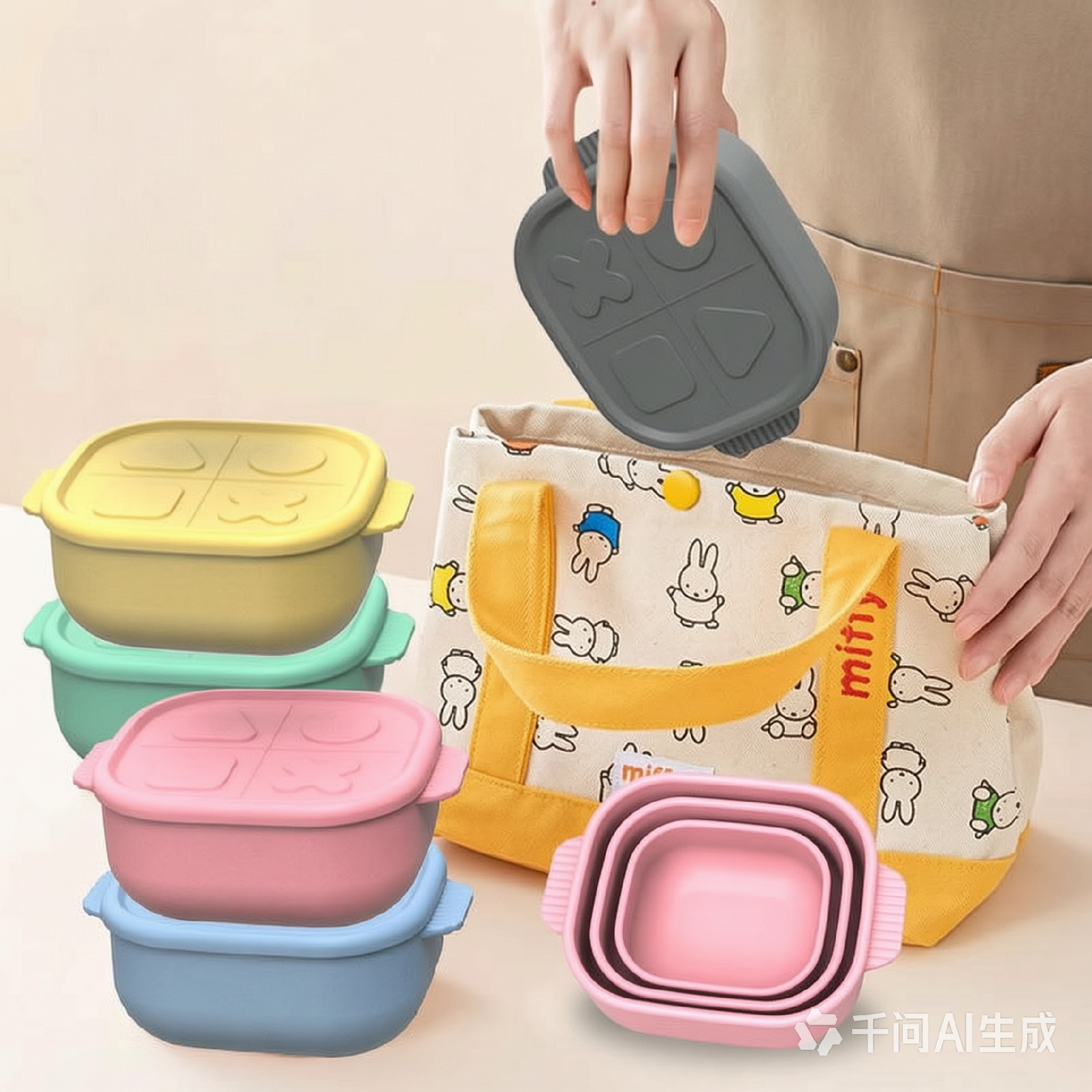
Beyond bowls and mats, silicone appears in treat holders, licking pads, grooming brushes, toy parts and travel feeding sets. Each use has its own durability requirement: a chewed toy needs a tougher compound and rounded edges, a fridge or freezer item needs material that stays flexible at low temperature, and a travel product needs to fold or pack without creasing permanently. Brand owners should match the silicone hardness and wall thickness to the actual use, instead of applying one generic pet-product material across every accessory in the line.
Before placing a custom order, a brand should prepare the target pet size, product use, whether the item is food-contact, the color and packaging needs, and any safety documentation for the export market. Sampling first lets the team test stability, washability, chew resistance and grip on real surfaces, and the approved sample can be kept to compare later batches. As pet owners look for safer, easier-to-clean daily gear, well-designed silicone accessories have a practical place in a growing pet product range, provided material safety and real-use testing are kept ahead of appearance choices.