What Information Does a Silicone Factory Need for a Custom Quote?
Read:476
When a buyer contacts a silicone factory for a custom quote, the price can only be as accurate as the information supplied. A single photo and a short description usually lead to a rough estimate, because the factory still has to guess at dimensions, material, structure and order volume. The more specific the brief is at the start, the fewer surprises appear in sample stage or mass production. The points below are the information a factory normally needs before it can prepare a workable quotation.
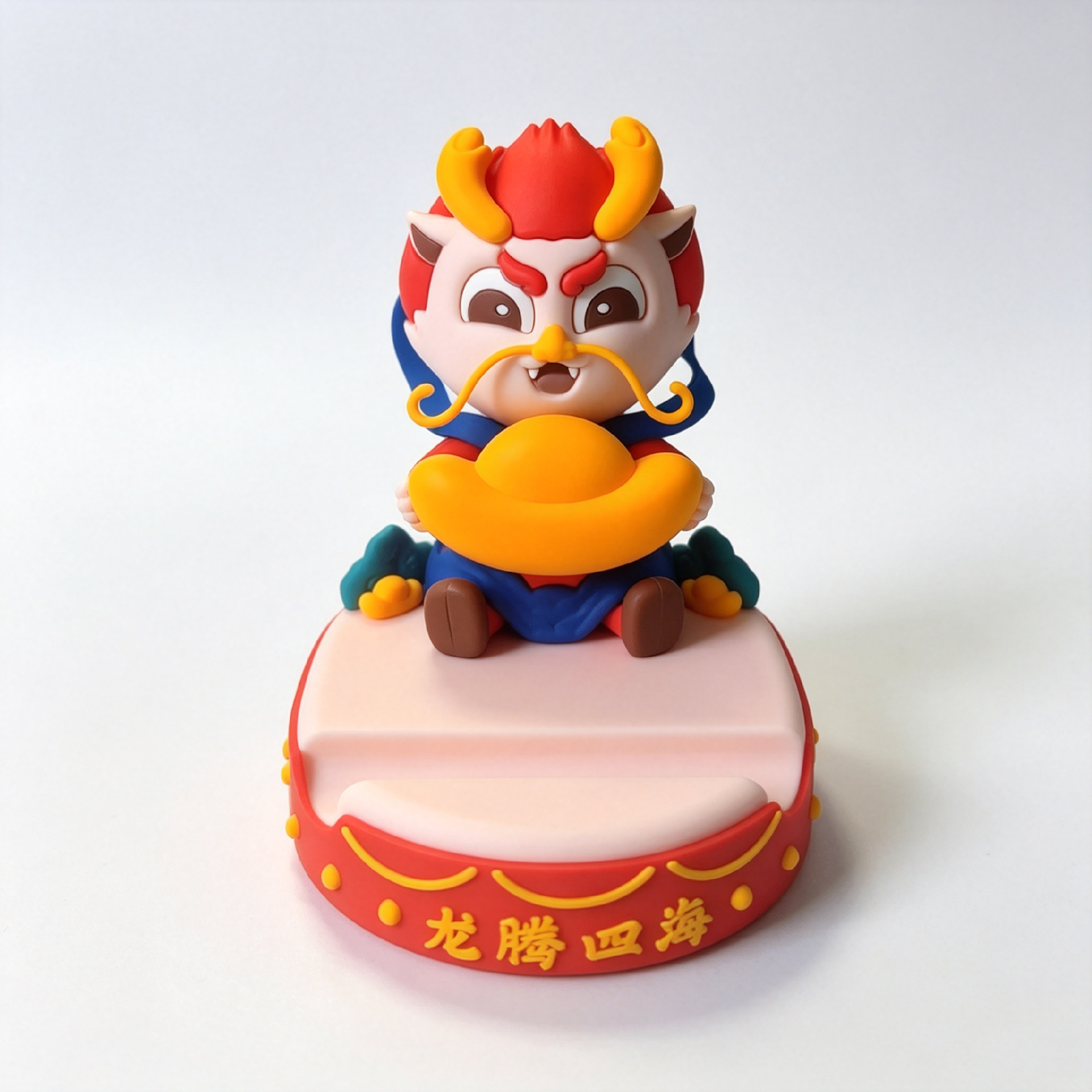
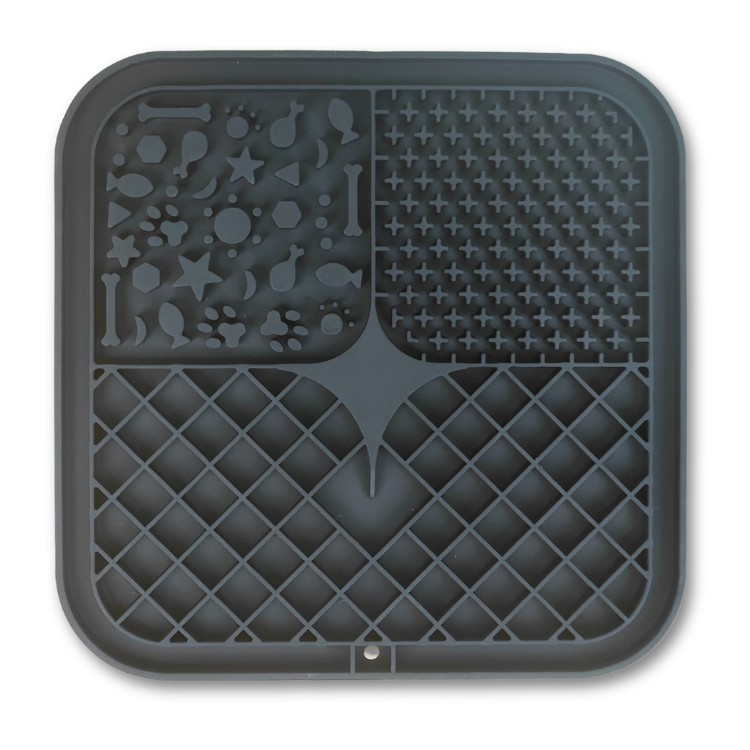
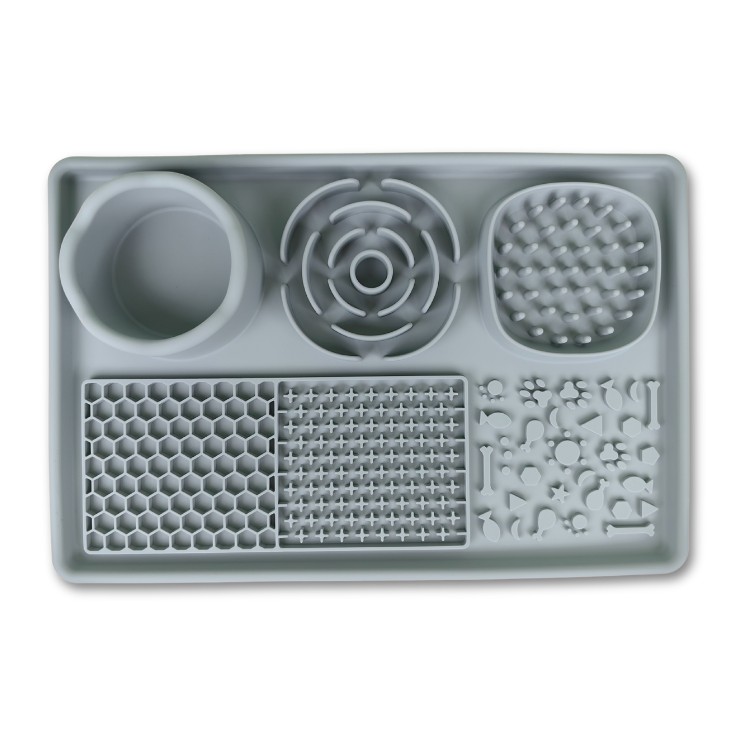
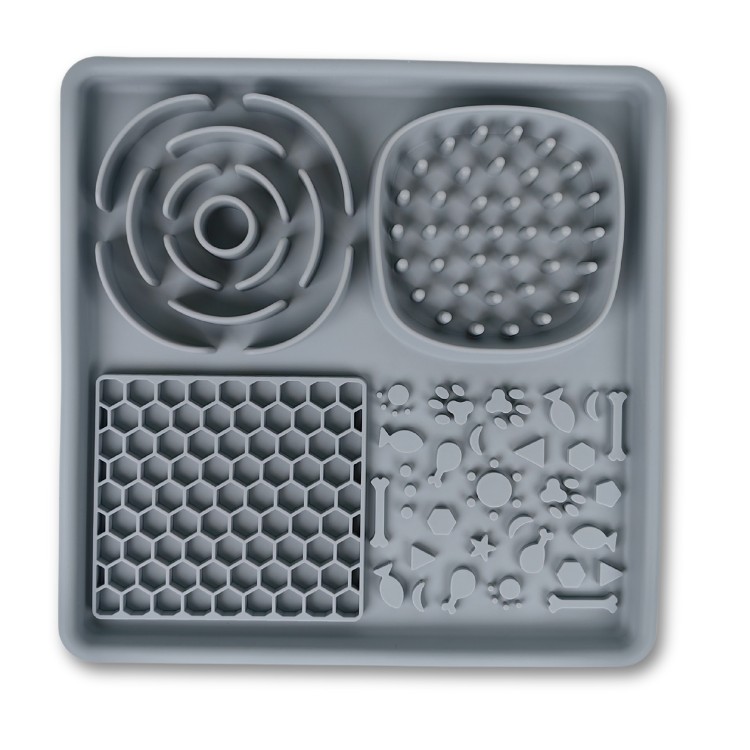
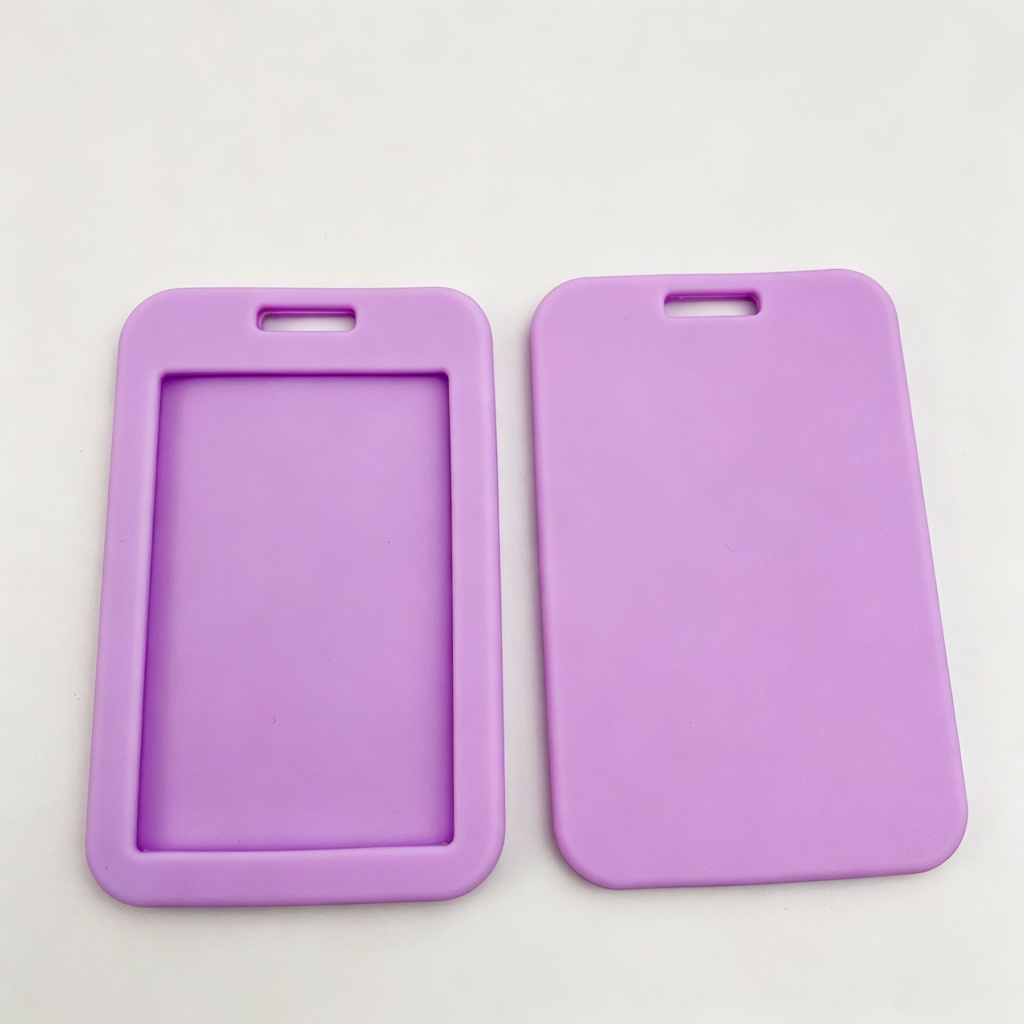
Drawings or a physical sample are the starting point. A 2D drawing with dimensions, or a 3D model where the shape is complex, lets the factory judge wall thickness, undercuts, chamfers and parting-line positions. If no drawing exists, an existing sample, clear reference photos from several angles and a description of the intended use can still help, but some dimensions will need to be confirmed during sampling. Logo placement, texture, surface finish and any color detail should be marked on the drawing or noted separately, because these affect mold work and surface treatment.
Target annual volume and order quantity shape both the mold and the unit price. A product made in small repeat batches may use a simpler single-cavity mold, while a high-volume order can justify a multi-cavity mold that lowers the per-part cost. The factory also needs to know whether the first order is a trial run or a steady production run, since this affects scheduling and how the mold investment is spread. Buyers who give a yearly estimate and a first-order quantity get a more realistic unit cost than those who only ask for a single-piece price.
Material requirements should be stated clearly. Food-grade silicone is specified for anything that contacts food, drinks or mouth, while general industrial or accessory use can use a standard grade. The buyer should note required hardness, heat resistance, color and any surface property such as non-slip or soft touch. If the product enters a regulated market, the relevant compliance standards should be named early, so the supplier can confirm whether its material and test reports cover that market instead of discovering the gap after tooling starts.
Appearance, branding and packaging round out the brief. Decide whether the logo is debossed, embossed or printed, and whether the product needs a color box, blister, poly bag or retail set. Any warning labels, age grading or export documentation required for the destination market should be listed alongside the product specs. These details are easy to leave out, but they change processing steps, packaging cost and the paperwork needed for shipment.
Once the brief is complete, the factory can confirm feasibility, quote the mold and unit price, and move to sampling. Sampling after mold completion typically takes around 7 to 15 days, and ordering several approved samples helps cover drop testing, internal review and customer or market evaluation. Keeping the approved sample on file also gives both sides a reference when later batches are checked. Preparing this information before the first message saves the back-and-forth that usually delays an early quote.