Choosing the Right Silicone Travel Bottle for Toiletries and Liquids
Read:14
Silicone travel bottles are used for shampoo, lotion, conditioner, body wash and other liquids on trips. Their soft body squeezes out contents easily and folds down as it empties, which is where they differ from rigid plastic containers. For brands sourcing these items, the main quality questions come down to opening size, lid seal, material safety and how the set is presented on retail shelves.
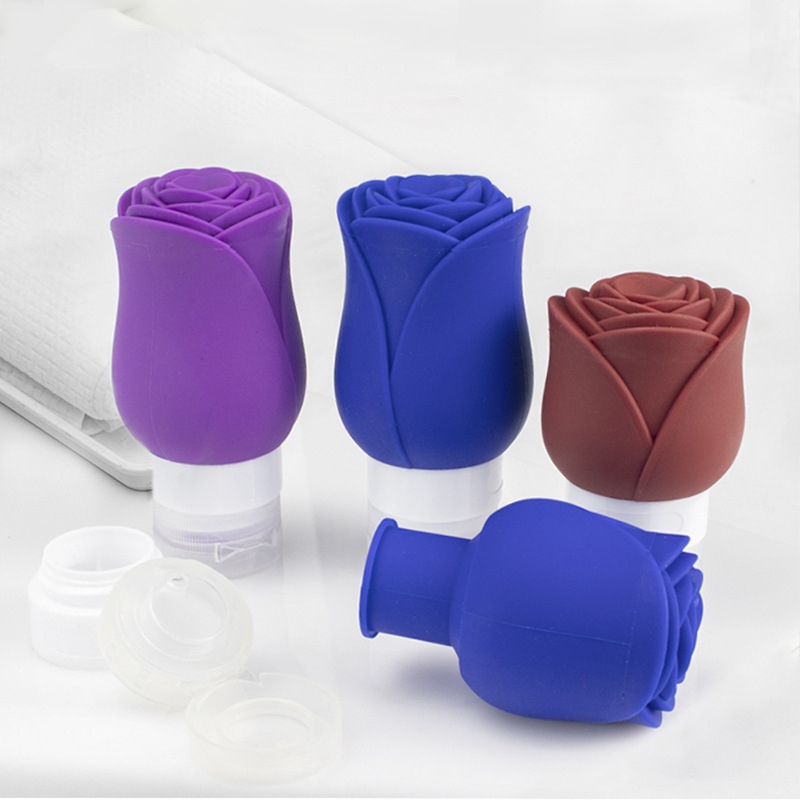
The neck opening deserves close attention. A wide neck makes filling and cleaning simpler and works for thicker products such as conditioner and cream. A narrow neck is harder to wash by hand and can leave residue from darker liquids behind, which shows on the next refill. On a sample, pour a thicker product in and rinse it out to see whether the neck and inner wall can be cleaned without a brush. If the bottle is sold for edibles or skincare, the opening and inner finish should resist staining and odor retention.
The lid is the main leak point. Check the seal and threading on a sample, then fill it with water, tilt it upside down and shake it before approving the design. Look at whether the cap closes with a firm screw, a press-fit plug or a flip-top spout, and whether the seal ring is removable for cleaning. Bottles that sit in a travel bag alongside clothes and electronics have no margin for slow seepage, so lid reliability should be tested over several open-close cycles rather than judged once.
Body material and finish matter for both safety and appearance. Where the bottle may hold edibles or contact skin, confirm food-safe or skin-contact grade silicone and ask for the relevant material reports for the destination market. The surface should resist staining from amber or dark liquids, and the soft body should return to shape after repeated squeezing without permanent creasing. Wall thickness affects feel and durability: overly thin bottles feel flimsy, while very thick walls are harder to squeeze for low-pressure products.
Label space, volume marks and the included pouch affect how the set sells. Many retail sets include a bottle group with a pouch, funnel or labels, and bottles in one set should match in shape and easy identification. Decide whether volume marks are printed or molded, and whether the label area leaves enough room for a private logo or product info. Consider the set ratio as well, since travelers usually need a few bottles for different products rather than a single unit.
For private label orders, confirm volume, color, label printing and packaging at the sampling stage. Verify any travel-size or material regulations for the destination market, and check whether caps and bodies are matched to avoid cross-batch fit problems. Sampling first lets the brand test filling, squeezing, sealing and washability under real use, and the approved sample should be kept for comparison with later production runs. Bulk orders that combine bottles with funnels, pouches and labels are easier to plan when the accessory list and packaging layout are settled before mold or print work begins.